 By Johnathan
 I lived in Japan for three years, and my wife is a native Japanese citizen who has lived there her whole life. Between the two of us, we have put together a full 7-day Tokyo itinerary. Real hotels, real timing, real recommendations, not the same five landmarks every generic guide recycles. I am giving the whole thing away for free, and I will explain why at the end of this post.
This post contains affiliate links. If you book through it, I may earn a small commission at no extra cost to you. Full details on my Affiliate Disclosure page.
Most Tokyo itineraries online read the same way, because most of them are written by someone who visited once, took notes, and turned it into content. This one is different. Every recommendation is either something I have actually done myself, or something researched carefully and verified, and I am upfront throughout about which is which.
To give you an idea of what is inside, here are a few of the top essential tips I always give people before they even pack their bags:
Before You Go: The Top Essentials
- Fly into Haneda, not Narita. It is significantly closer to central Tokyo, saving you 30 to 45 minutes of travel time on your most exhausted day of the trip.
- Grab pocket WiFi or an eSIM before or right when you land. Rental counters at both Haneda and Narita, typically ¥600-¥1,000/day (~$4-$7), or set up an eSIM in advance. I’ve personally used Japan Wireless and can genuinely recommend them, no service issues at all across my time using them, reliable connection everywhere I needed it.
- Sync yourself to Japan time immediately. Push through to a reasonable local bedtime the first night rather than crashing on arrival. It resets your jet lag faster than fighting through several groggy days.
- Melatonin can help, but know the legal limit. It is treated as a prescription medication in Japan. Travelers can legally bring in up to a one-month supply for personal use, but keep it in the original bottle.
- Get your Suica or Pasmo sorted before you land. Load it onto your phone’s wallet app rather than carrying a physical card. It saves you from standing at a kiosk fighting jet lag and a ticket machine at the same time.
- Do not tip, anywhere. Restaurants, taxis, hotels, none of it. Tipping is not part of the culture here, and in some cases, it can actually cause confusion or mild embarrassment for the staff. Good service is simply the standard.
- Know Tokyo’s train hours. Most lines stop running somewhere between midnight and 1am, and the first trains start back up around 5am. There is no overnight service to fall back on.
- Keep your voice down on trains. Trains here are quiet by default. People are commuting, working, or sleeping, and loud conversations or phone calls draw real, visible looks of disapproval. It feels strange for about a day, then you will genuinely start to appreciate it.
Here is a full, real look at Day 1, so you can see exactly what the complete itinerary actually looks like before you download it.
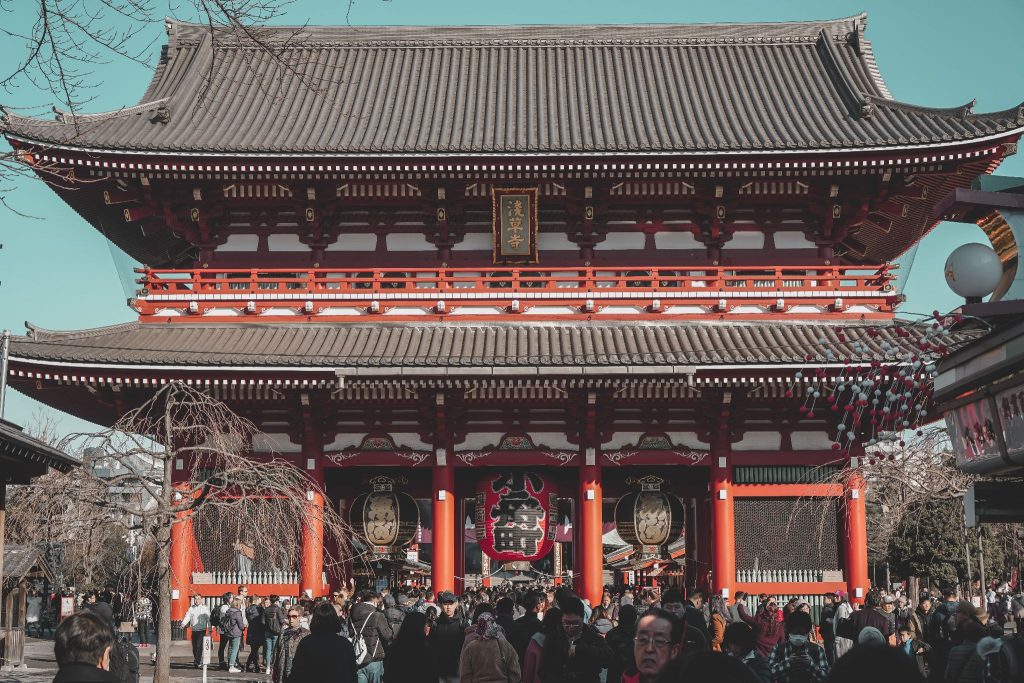
Day 1: Arrival at Haneda, Asakusa & Ueno
The Arrival Strategy
International flights arrive at Terminal 3, and it is worth budgeting real time for customs. It can move fast or slow depending on how many flights land around the same time as yours. If you want to unwind before you even leave the airport, the Villa Fontaine hotels connected to Terminal 3 have a genuine open-air onsen, hot spring bath, stone spa, and sauna. Some rooms even catch a Mt. Fuji view from the bath on a clear day. There is also a real capsule hotel at Haneda (First Cabin) if you land late or want a few hours of sleep before heading into the city.
Getting into the City
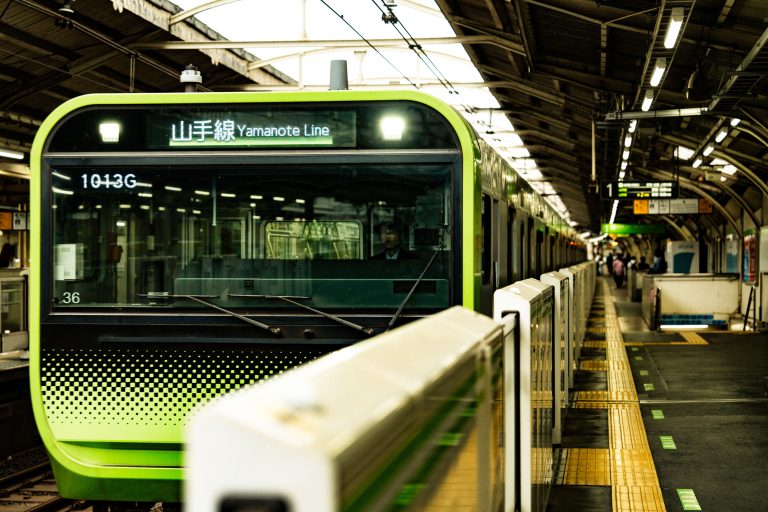
There are two real ways into the city once you land: the Tokyo Monorail to Hamamatsucho Station (about 13 to 20 minutes, then a transfer to the JR Yamanote Line), or the Keikyu Line direct to Shinagawa Station (about 20 minutes, already on the Yamanote Line with no transfer needed).
Where to Stay
I recommend basing yourself in Asakusa for the week. It is a genuine, older neighborhood with real character, well-connected, and noticeably cheaper than Shinjuku or Ginza while still being centrally useful for everything else in this itinerary.
- Main pick: Asakusa View Hotel, ¥15,000 to ¥25,000 per night (around $100 to $165)
- Alternative (mid-range): Mimaru Asakusa, ¥18,000 to ¥28,000 per night (around $120 to $185)
- Alternative (budget): APA Hotel Asakusa Kaminarimon, ¥10,000 to ¥15,000 per night (around $65 to $100)
An honest heads-up on this day: this is a genuinely full one, arrival plus two neighborhoods, so it’s built more like a menu than a strict schedule. If you’re wiped out from the flight, do the Asakusa portion only and save Ueno for the next morning before Shinjuku. If you’re running on adrenaline instead of exhaustion, the whole day works back to back.
Today’s Plan
- Nakamise-dori and Senso-ji: Make sure to pick up a temple stamp book, which are called: goshuincho, (go-shoo-een-choh) from Senso-ji. Take an easy walk down a centuries-old shopping street toward Tokyo’s oldest temple.
- Time: about 1 hour.
- Cost: free to explore; goshuincho: ¥1,500-¥2,500 (~$10-$17), stamps run ¥300-¥500 (~$2-$3.50) each.
- Sumida River Cruise: An easy, low-effort way to see the city from the water without much effort on almost no sleep.
- Time: about 40 min to 1 hour.
- Cost: ¥1,000 to ¥1,500, around $7 to $10
- Kappabashi Kitchen Street: A genuinely fun browse even if you are not buying. Entire blocks of shops selling professional kitchen knives and the famous plastic display food.
- Time: about 1 hour.
- Cost: free to browse
- Tokyo Skytree: The view stretches out over the entire city in a way that photos do not do justice, and on a clear day you can pick out Mount Fuji in the distance. It is genuinely worth the ticket price and not a skippable tourist trap.
- Time: about 1.5 to 2 hours.
- Cost: ¥2,100 to ¥3,400, around $14 to $23
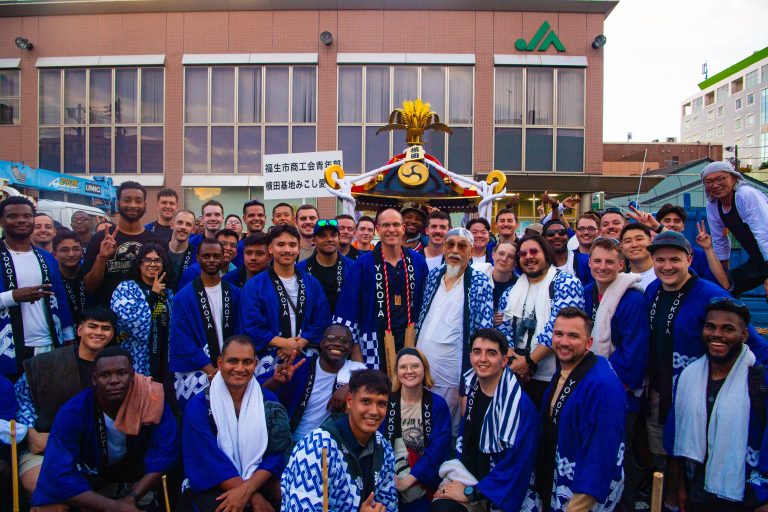
- Festivals to know (Asakusa): Sanja Matsuri, mid-May (2026: May 15-17), nearly 2 million visitors, around 100 mikoshi paraded through the streets.
Ueno (same day, or the next morning if you’d rather split it):
- Getting there: Ueno is 3 stops from Asakusa on the Ginza Line — ~10 min, ~¥180 (~$1.20)
- Ueno Park and Tokyo National Museum: A massive cultural hub holding Japan’s oldest museum. Wander the pathways to find historic shrines, cherry trees, and national treasures.
- Time: about 2 to 3 hours combined.
- Cost: around ¥1,000, or $7
- Ueno Zoo: Japan’s oldest zoo, famous for its giant pandas. Right inside the park, a good add if traveling with kids.
- Time: about 1.5 hours
- Cost: around ¥600, or $4
- Ameyoko Market: A loud, open-air market street that grew out of the black market days right after World War II, the name itself comes from “candy shop alley,” since that’s originally what was sold here. Now it’s a dense strip of cheap clothes, fresh seafood stalls, spices, and street food, the kind of unpolished, lived-in energy you won’t find in a mall or curated shopping district.
- Time: about 1-1.5 hours
- Cost: ¥300-¥800 (~$2-$5.50) for snacks
- Dinner: Asakusa Imahan: A well-known sukiyaki and shabu-shabu spot, offering a genuinely good, simple first-night meal.
- Time: about 1.5 hours.
- Cost: ¥5,000 to ¥8,000, around $33 to $53 per person
What the Rest of the Itinerary Covers
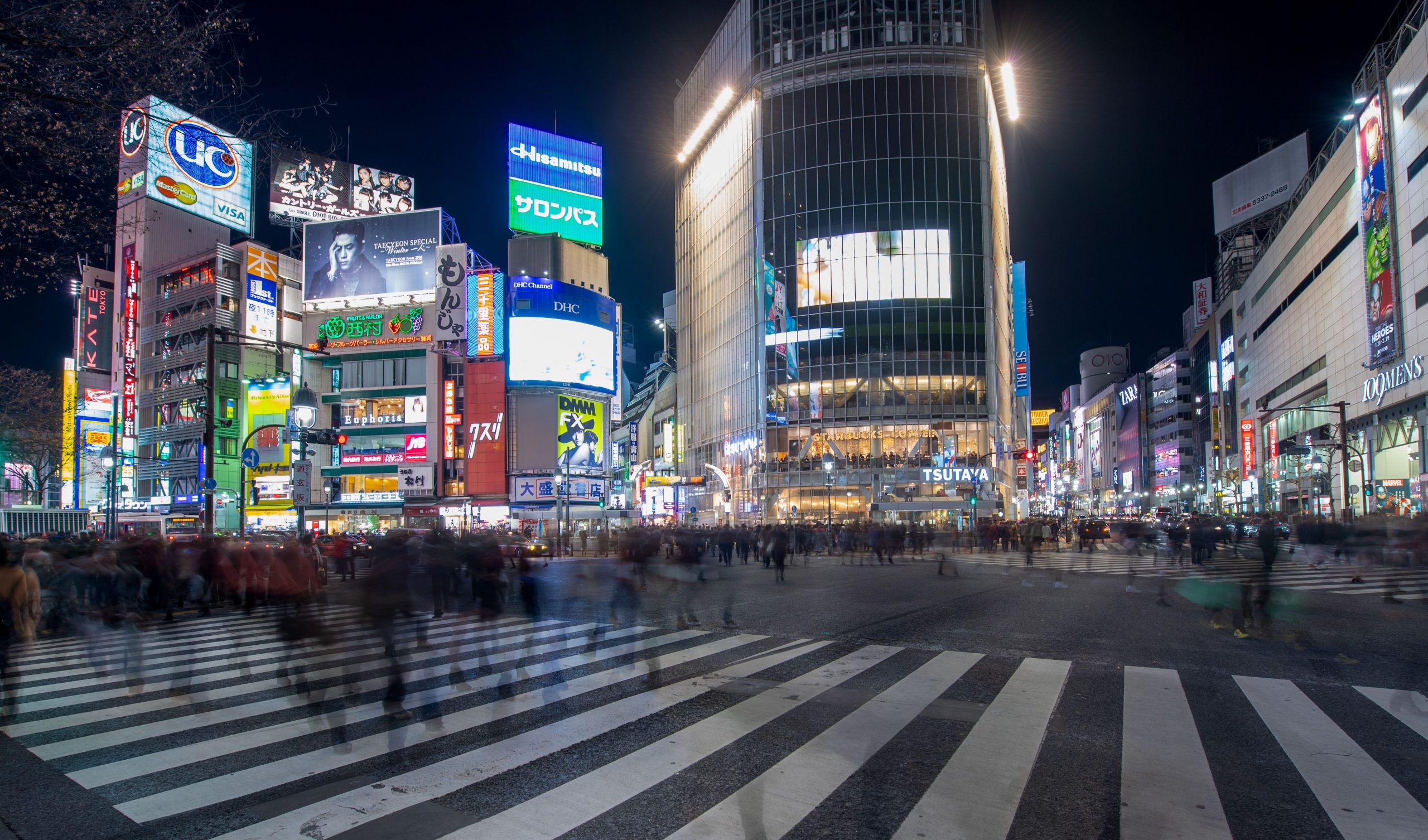
That is one day, in full. The complete 7-day itinerary keeps this same level of real detail through Shinjuku, Shibuya and Harajuku, Ginza and Tsukiji, Roppongi, Odaiba and Toyosu, and a full day and real night in Akihabara before you head home.
Every day includes real hotel alternatives with current pricing, actual restaurant recommendations, honest time estimates for each stop, and genuine personal notes on the handful of places I have actually experienced myself. That includes teamLab Borderless, teamLab Planets, Tokyo Joypolis, even Tokyo Skytree, which I will say now genuinely beats every comparable observation tower I have been up. It also covers the practical stuff nobody puts in a typical itinerary: getting your IC card set up before you land, a few real Japanese phrases with pronunciation, and even how to ship extra luggage home through Yamato Transport if you overpack.
A few other things tucked into the full document that most guides never mention: how to actually get your International Driving Permit before you fly if you want to try a real go-kart tour through Tokyo traffic, the specific difference between teamLab Borderless and teamLab Planets and which one is actually worth your time if you can only pick one, a genuine walking-directions guide to a legendary 40-bar alley in Shibuya most tourists never find, and an honest rundown of Akihabara’s maid cafe culture from someone who has actually been to a few.
Japanese Word to Know: hajimete (初めて) Pronounced hah-jee-meh-teh. It means “for the first time,” and it is exactly the spirit of this whole guide, built for someone experiencing Tokyo for the first time, from someone who got to know it over three years.
Why This Is Free
Every trip is different. Whether you are traveling solo, as a couple, or bringing the whole family, a generic plan will only get you so far.
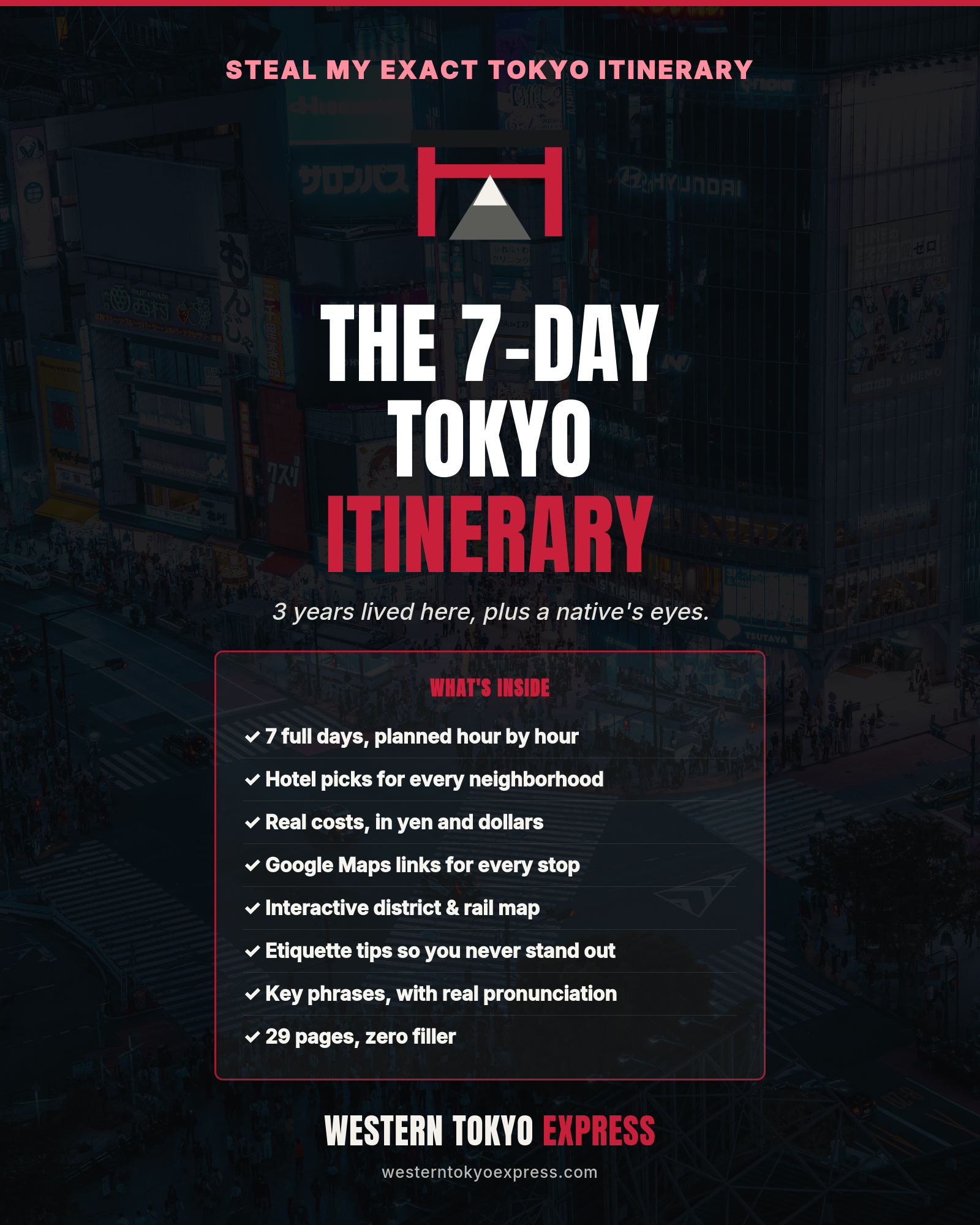
This free version details the exact level of real, lived-in detail I bring to the table. If you want to skip the stress and guesswork of planning entirely, I offer a premium service where I build a completely customized, day-by-day itinerary tailored strictly to your specific dates, budget, pace, and personal interests.
Because building a personal itinerary from scratch requires a significant amount of dedicated hours and hands-on logistics mapping, my pricing is based on how many days you need planned. A quick 3-day weekend trip requires much less work than a sprawling 14-day deep dive across multiple cities, so a per-day fee ensures you are only ever paying for exactly what you need.
Frequently Asked Questions
Is this itinerary good for a first trip to Tokyo?
Yes, it is built specifically with first-time visitors in mind, covering the essential neighborhoods and experiences while adding real, lived-in detail most generic guides do not have.
How do I get the full itinerary?
Sign up for the newsletter above and the complete 7-day PDF, hotels, restaurants, timing, and all, gets sent straight to your inbox.
Is 7 days too long for a first Tokyo trip?
Not at all. The itinerary is built so you can also use just the first 5 or 6 days if your trip is shorter. Each day stands on its own rather than requiring the full length to make sense.
Does the itinerary include Kyoto or Osaka?
This one is Tokyo only. Dedicated free itineraries for Kyoto, Osaka, Hakone, and other spots are in the works, keep an eye out for those.
Have a question about planning your Tokyo trip, or want something built specifically around your dates? Contact me and I will get back to you.
GET MY FREE 7-DAY TOKYO ITINERARY
Sign up for my newsletter and I’ll send it straight to your inbox, plus first access to every new free itinerary I put out, 7 Japanese words a week, and the tours worth your time.
Subscribe Now →Interested in a premium custom itinerary built specifically for your trip? Contact me for pricing and availability.