 By Johnathan
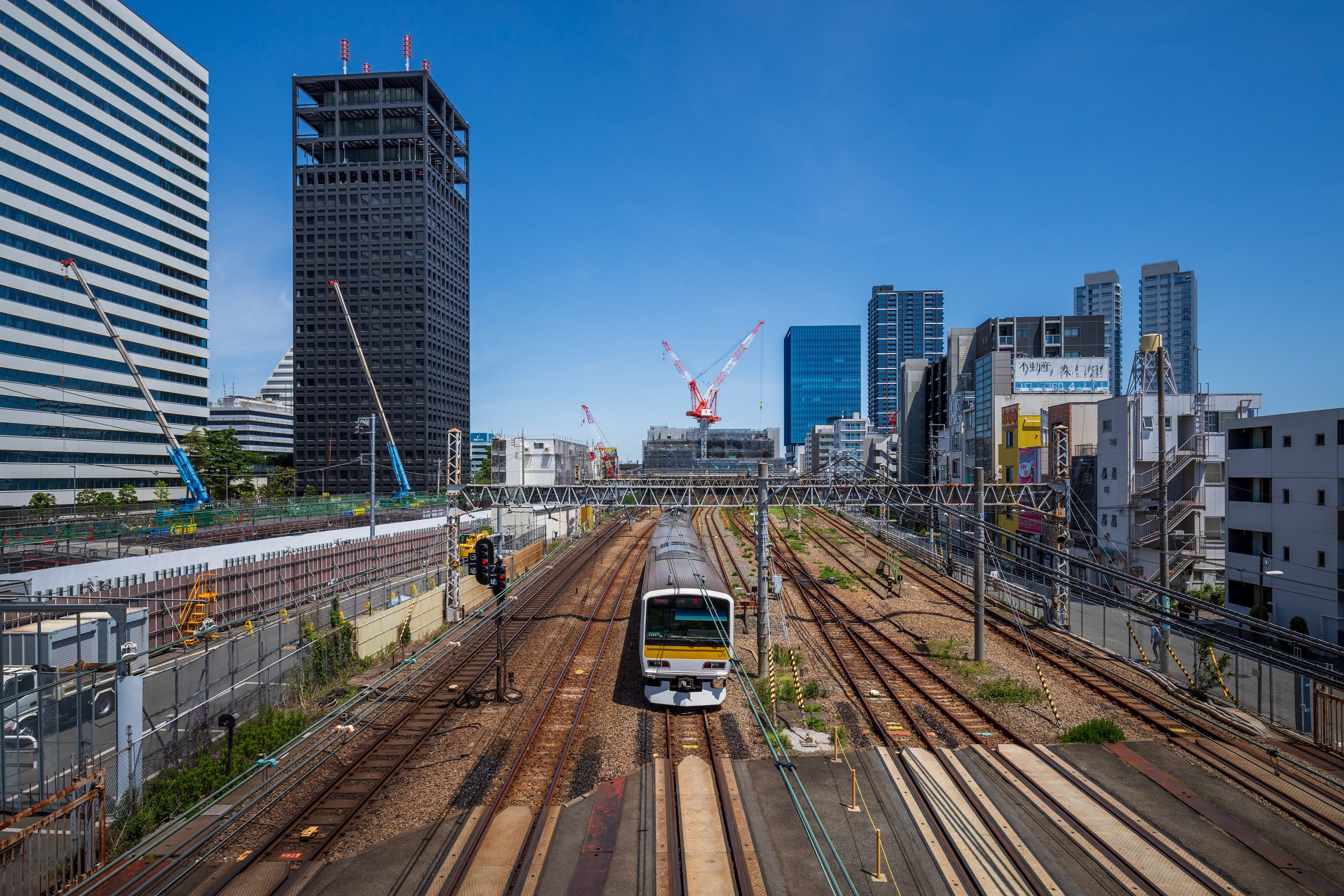
 I’ve ridden most of the lines out here at this point, Ome Line and Chuo Line the most since they’re my regulars, but plenty of others along the way too. Trains are genuinely one of the best parts of living in Japan, and also one of the things that intimidates people the most before they’ve actually done it. Here’s everything I’ve picked up, the history, the lines, the etiquette, and the one time I got it badly wrong.
This post contains an affiliate link. If you book through it, I may earn a small commission at no extra cost to you. Full details on my Affiliate Disclosure page.
A Bit of History First
Japan’s rail network as you experience it today largely traces back to 1987, when the old Japanese National Railways, a single massive state-run operator, was broken up and privatized into the regional JR companies you see now, JR East, JR West, JR Central, and others, each covering a different part of the country. That split happened partly because the old system had become financially unsustainable, and privatization pushed the network toward the efficiency and reliability it’s now famous for worldwide.
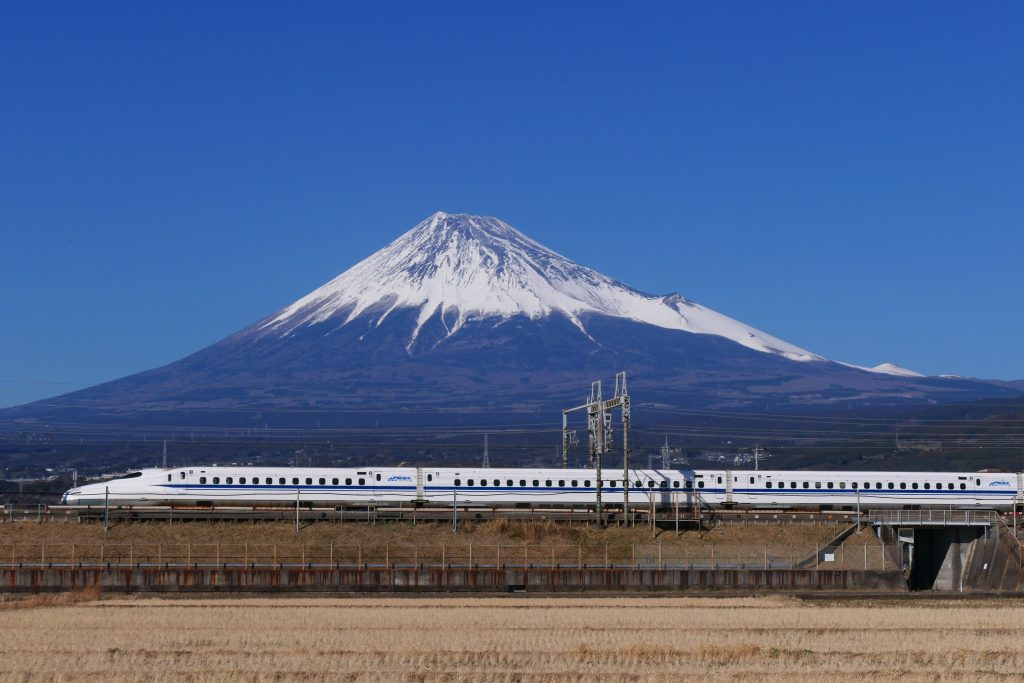
The most iconic piece of that story is the Shinkansen, the bullet train, which actually predates the JR split by decades, launching in 1964 in time for the Tokyo Olympics. It was the first true high-speed rail system in the world, and it fundamentally changed how the country thinks about distance, cities that used to feel far apart became a normal day trip. Everything you ride locally, the Ome Line, the Chuo Line, the Yamanote loop through central Tokyo, all sits on the same foundation of precision and reliability that made the Shinkansen famous in the first place.
The Lines You’ll Actually Use
If you’re anywhere near Fussa, the JR Ome Line is your home line, running from Tachikawa out through Fussa and further west toward Ome and eventually connecting further out to places like Mitake. The JR Chuo Line is the one that gets you into central Tokyo, connecting through Tachikawa toward Shinjuku and beyond, and it’s genuinely one of the busiest, most heavily used lines in the entire system. Beyond those two, I’ve ridden most of the major ones at this point, the Yamanote Line looping through central Tokyo, the various Seibu lines out toward Chichibu and Hanno, the Hachiko Line connecting out toward Okutama and Mitake. Once you understand how the Ome and Chuo lines work, the rest of the system stops feeling intimidating, it’s really just more of the same logic applied to different routes.
English Support and How to Actually Navigate
Every major train here displays its next stop and line information in both Japanese and English on the overhead screens, and most announcements are made in English as well as Japanese, especially on JR lines and anything running through central Tokyo. The displays will also tell you which side of the train the doors will open on at the next stop, genuinely useful information once you start paying attention to it, since it means you can position yourself near the right door before you even arrive.
If you ever get stuck or confused, station attendants sit in booths near the gates at pretty much every station, and while not all of them speak much English, many know enough to help, and Google Translate or Apple Translate can bridge the rest. A simple phrase like “Which train goes to Shinjuku?” typed into a translation app and shown to an attendant will get you sorted out almost every time. Don’t be afraid to ask, that’s genuinely what they’re there for.
The Time I Missed the Last Train
This only happened to me once, but it taught me more than any guide could have. I was in Shinjuku Station, which is genuinely one of the busiest, most confusing stations in the world, with my friend, and Google Maps said our train was coming. We were standing at what we thought was the right spot, but the train that pulled in didn’t come all the way down the platform to where we were standing, it stopped short. We realized this at the last second, right as Google Maps updated to say the train was now departing, and we both just froze in confusion for a moment before realizing that actually was our train, and we’d missed it. It was the last train of the night.
We tried sleeping on a station bench first, but eventually gave up and started calling around to find a hotel. Almost everything was already booked that late, but we found one place with a single room left. Two grown men sharing a tiny hotel room until 5am when the trains started running again. Genuinely one of those nights that’s funny in hindsight and was not funny at all in the moment. Most stations aren’t anywhere near this confusing, Shinjuku is really the outlier, but it taught me to actually confirm which specific spot on the platform I need to be standing at, not just trust that “the train is coming” means I’m in the right place.
Boarding Etiquette
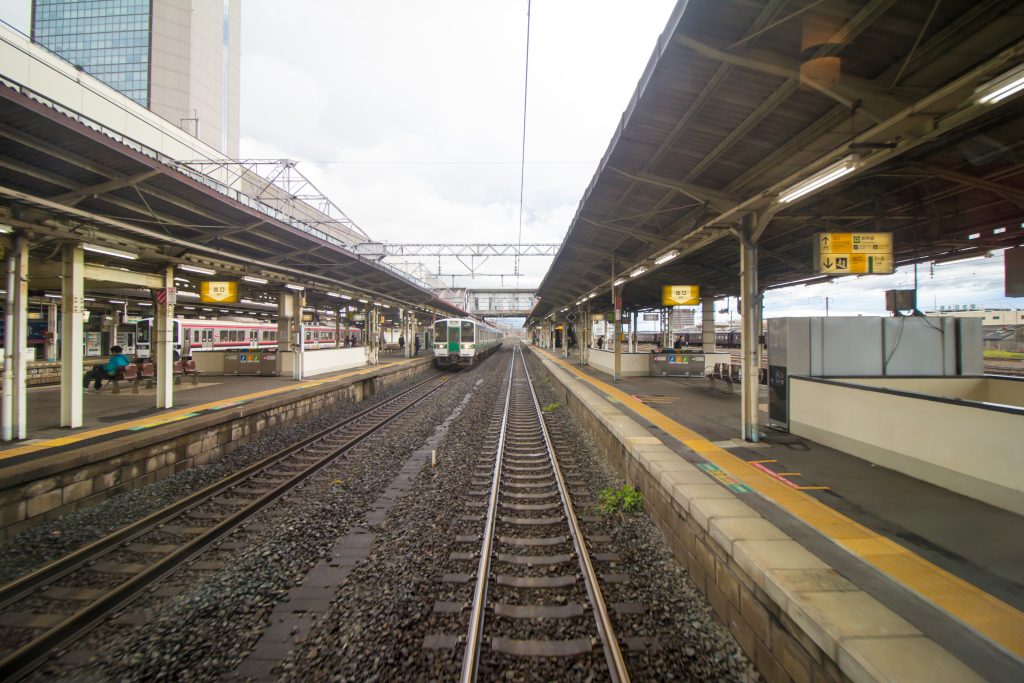
There’s a real order to how boarding works here, and it’s worth learning before you’re the person disrupting it. Each platform has marked spots on the ground showing exactly where the doors will line up, and people queue up behind those markers in an actual line, not a crowd. Don’t cut in front of people who were there first.
When the train arrives, everyone waits for passengers getting off to fully exit before anyone boards. This is the one I’d say matters most. Back home, I’ve seen people try to shove their way on while others are still trying to get off, and it turns into a genuine mess. Here, it just doesn’t happen, people wait, it flows, and it’s honestly a better system once you’re used to it.
The Quiet Rules
Keep your voice down, skip phone calls, and don’t play videos or music out loud from your phone, ever. I know this is completely normal back home on public transit, but it’s genuinely rude here, and it stands out immediately. It’ll feel strange at first, this level of quiet on a crowded train is not something most people experience anywhere else, but you adjust to it fast, and honestly, I wish this carried back to the States. There’s something genuinely nice about a quiet commute.
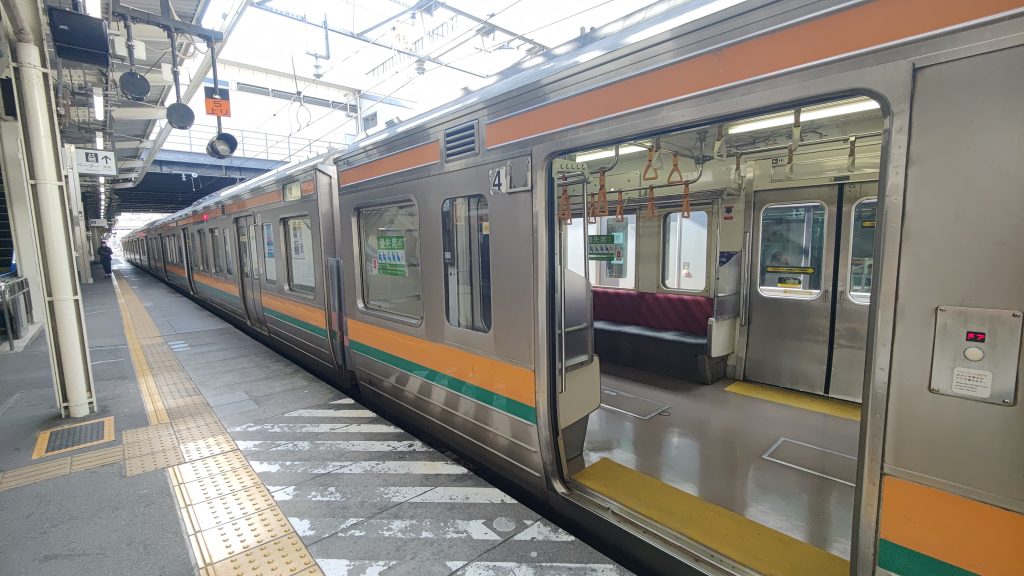
A related one: try not to eat or drink on the train, at least not a real meal. A small snack is generally fine, but nothing that smells strong or risks spilling. Nobody wants to be sitting next to someone’s full meal on a packed train.
And mind your own space. Keep your arms and legs in, don’t sprawl out into the seat next to you, and be aware of your bag, especially if you’re wearing a backpack while standing. If there’s no overhead space, shift it to your front so you’re not accidentally bumping into people behind you every time the train moves.
IC Cards: Tapping In, Out, and Getting Your Deposit Back
Tap your Suica, Pasmo, or whatever IC card you’re using both when you enter through the gates and again when you exit, this is how the system calculates your fare. If you’d rather not use an IC card at all, you can still buy individual paper tickets at the machines for any single trip, it’s just less convenient if you’re riding often, and worth knowing paper tickets actually run a little more expensive than IC card fares in a lot of cases, since paper fares round up to the nearest 10 yen while IC card fares don’t. It’s a small difference per ride, but it adds up if you’re using paper tickets regularly instead of just for the occasional trip.
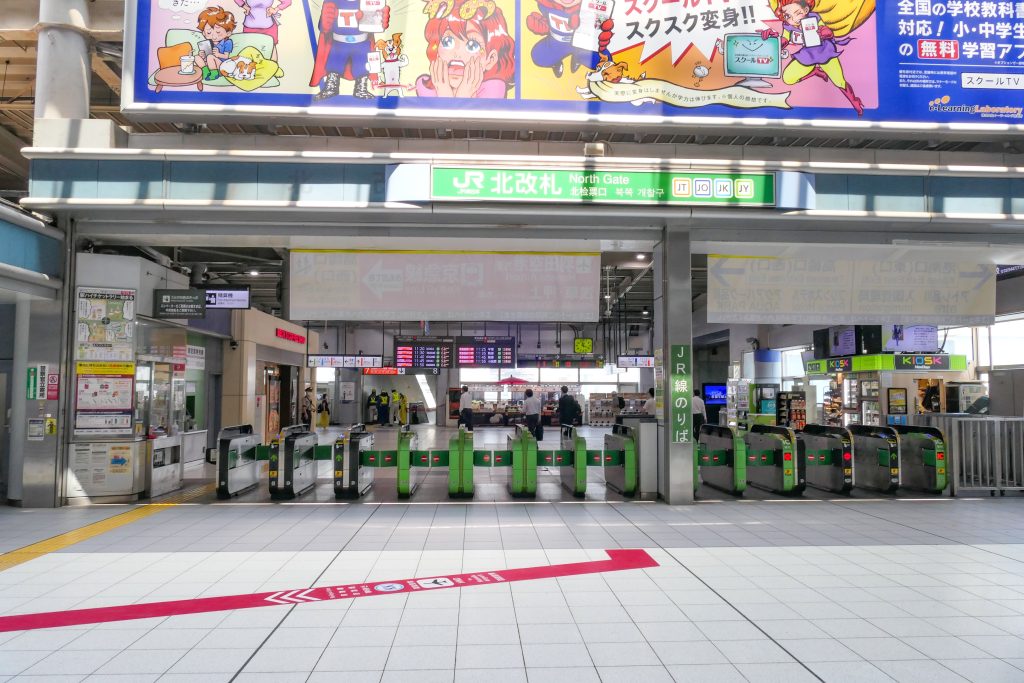
When you initially get an IC card, you put down a 500 yen deposit. When you’re done with it, whether you’re leaving Japan for good or just don’t need it anymore, you can return the physical card at a JR East ticket office (for Suica) or the relevant private railway’s service counter (for Pasmo) and get that deposit back, along with any remaining balance minus a small 220 yen handling fee. It’s a small thing, but it adds up, worth doing rather than just tossing the card in a drawer. Most stations also have an English-language option built right into the top-up machines, so refilling your balance or buying a new card in the first place is straightforward even with no Japanese.
A Few More Things Worth Knowing
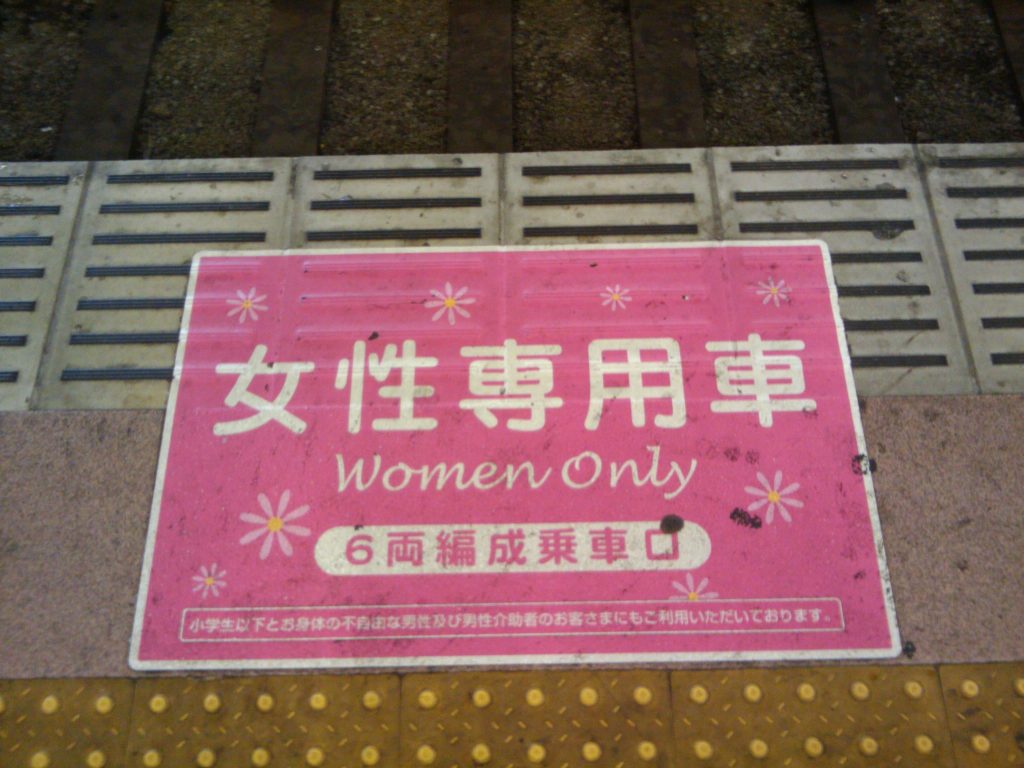
Women-only cars run during certain hours, usually weekday morning rush, on some lines. Check the platform signage or the train car markings themselves, this is clearly indicated, just easy to miss if you’re not looking for it.
Priority seating exists near the ends of most cars, marked differently from regular seats, reserved for elderly passengers, pregnant women, people with disabilities, and passengers with infants. Don’t sit there if you don’t need to, and even in regular seats, it’s always a good habit to offer your seat to someone who clearly needs it more if the train is full.
Stroller and wheelchair space is usually available in specific cars, often the first or last car on the train, with a wider open area instead of regular seating. Worth knowing if you’re traveling with a stroller or need wheelchair access.
Temperature varies by car. In summer, some cars run noticeably colder or warmer than others depending on the air conditioning zone, and this is usually only announced in Japanese. If you end up in an uncomfortable car, you don’t have to wait until the next stop, you can just walk through the connecting doors to the next car while the train is moving, completely normal to do. Winter works the same way with heating, and the same fix applies.
Bigger stations have real waiting areas, climate controlled, a good option if you’re stuck waiting on a brutally hot or cold day and want somewhere comfortable rather than standing on an open platform.
Most stations have a convenience store or small shops before you even tap through the gates, and often another set after you’re through too, at the bigger stations especially. Good for a quick snack, a drink, or things like phone chargers or masks if you forgot something.
Rush hour is real and it gets packed. Weekday mornings run heavy from about 7am until 9 or 10am, and evenings pick back up from around 4pm until 6pm. If you can avoid traveling during those windows, especially on the busier lines into central Tokyo, do it.
If you lose something, don’t panic. It’s genuinely common here for lost items to be turned in completely intact. I left a bag in the overhead rack once with chargers, clothes, and my wallet inside, and got the whole thing back exactly as I’d left it once I tracked it down through the station attendant. That level of honesty is one of the things that makes daily life here feel different.
And please, hold your liquor. I’ve personally seen someone get sick on a train, and it’s exactly as bad as you’d imagine. Know your limit before you get on.
The Bullet Train Deserves Its Own Mention
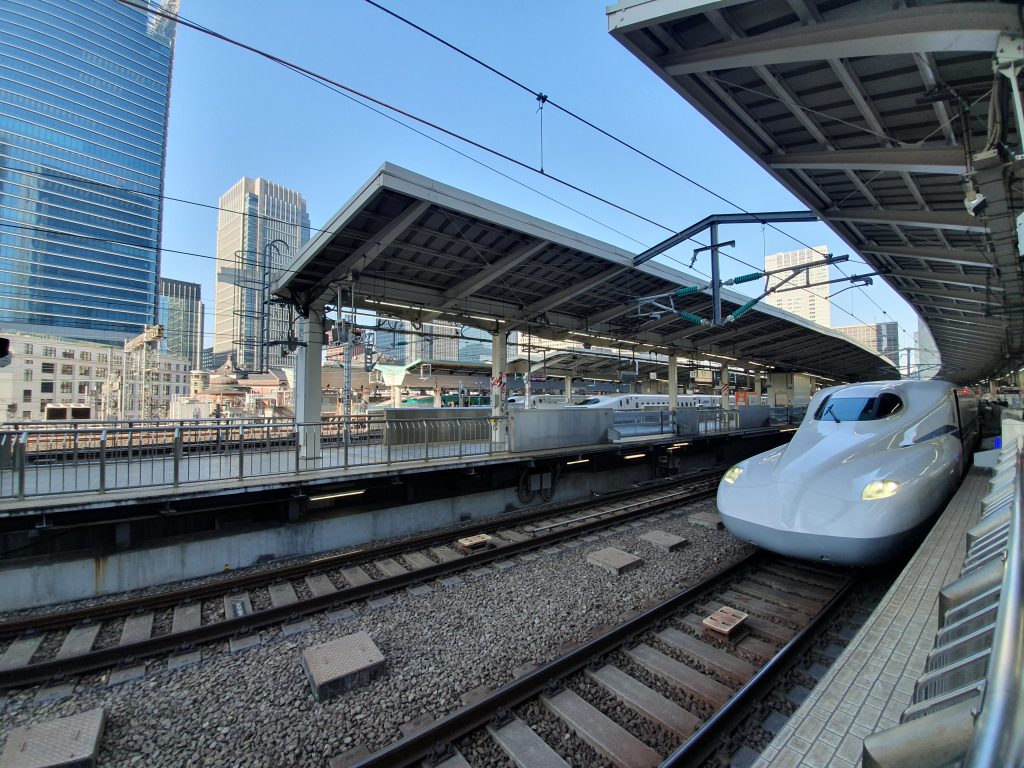
I have to bring up the Shinkansen here too, even though it deserves a full post of its own down the line. Riding it the first time is genuinely one of those experiences that sticks with you. Depending on the line and train type, it can hit speeds well over 200 miles per hour, and the acceleration alone is something you feel in your chest, smooth, fast, and quiet in a way that doesn’t match how fast you’re actually moving. Watching the scenery blur past at that speed while barely feeling any vibration through the cabin is just a different category of train travel entirely compared to anything local. I’ll save the full rundown, which lines, how to book, what to actually expect, for another post, but if you haven’t ridden one yet, it’s worth building into a trip at some point just for the experience alone.
Visit the Railway Museum
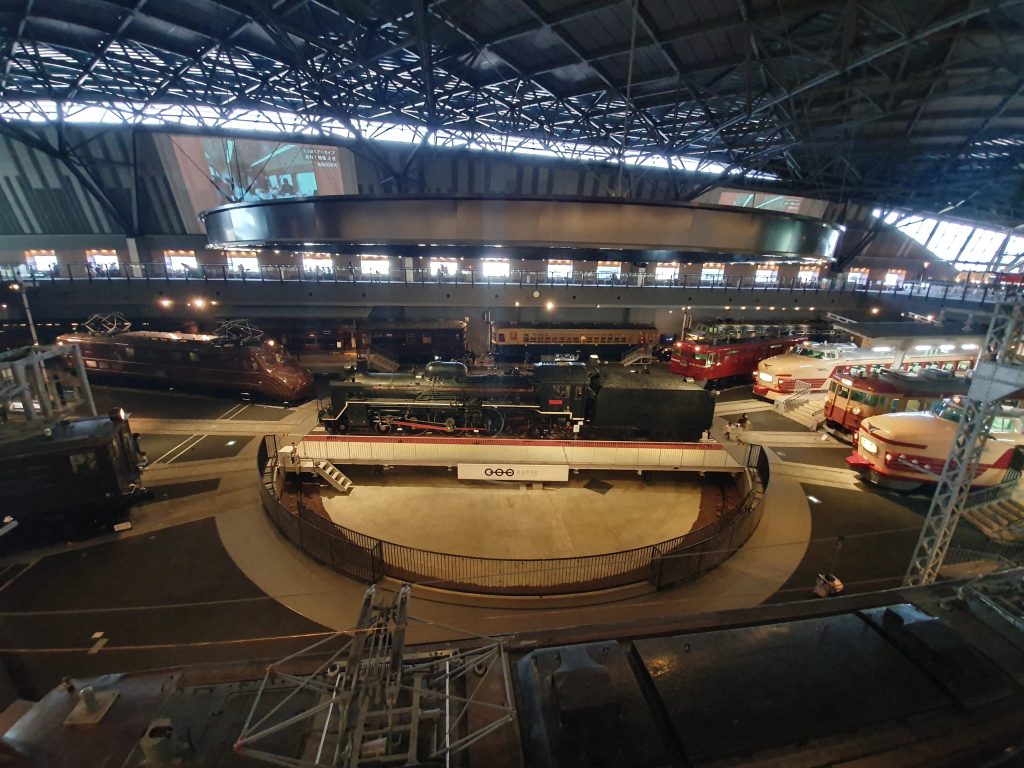
If you’ve read this far and any of this has gotten you even a little interested in trains beyond just getting from point A to point B, the Railway Museum in Omiya, Saitama, is worth actually building a day around. It’s organized into five themed sections, Rolling Stock, History, Job, Science, and Future, and the main hall alone houses more than 30 real train cars you can walk through and board, steam locomotives from the earliest days of Japanese rail, retired Shinkansen models, and vintage dining cars from the 20th century. Being able to physically step inside these pieces of railway history is a completely different experience than looking at them behind glass, and it’s the kind of thing that genuinely captures both a six-year-old and a grown adult in the same room.
For hands-on fun, there are multiple full-scale train driving simulators, including the world’s only steam locomotive simulator, realistic enough that JR East actually used similar equipment to train real drivers. Kids can pilot a miniature Shinkansen on its own dedicated track, and there’s a massive model train diorama, roughly 200 square meters, that runs on a full daily schedule and is worth timing your visit around. Then there’s the single best moment of the whole day, at 3pm every afternoon, a real locomotive gets rotated on the museum’s working turntable inside the roundhouse, and it draws a genuine crowd every single time. It’s dramatic, loud, and honestly thrilling even if you’ve never cared about trains a day in your life.
For adults and history buffs specifically, the History section walks through 150 years of Japanese rail development across six distinct eras, and free audio guides are available in both English and Japanese right on your phone, so you’re not stuck guessing at context. There’s also a restaurant built inside an actual retired dining car, a genuinely memorable way to grab lunch, and a dedicated souvenir shop, TRAINIART, with exclusive merchandise you won’t find anywhere else. Depending on the season, the museum also runs special exhibitions, sometimes tied to new Shinkansen models, sometimes collaborating with anime and pop culture, worth checking what’s running before you go.
Give yourself a full day here, 5 to 6 hours disappears fast once you’re actually inside, and honestly, this museum is the day trip on its own, you don’t need to plan anything else around it. It’s an easy 30 to 40 minute ride from central Tokyo to Omiya Station, then just a 3 minute hop on the New Shuttle monorail, which drops you right at the museum’s front door.
Tickets can be booked in advance here, and it’s genuinely worth doing, advance tickets run a bit cheaper than paying at the gate, and it skips you past the line entirely during busier weekends and school holidays.
Japanese Word to Know: densha (電車) Pronounced den-shah. It simply means “train,” the everyday word you’ll hear and use constantly once you start relying on the rail system the way most people here do.
Frequently Asked Questions
How do I know which platform or train car to stand at?
Look for the marked positions on the platform floor showing where doors will align, and check Google Maps for major JR and Metro routes, which often recommends a specific car number based on your transfer or exit.
What happens if I miss the last train in Japan?
Trains generally stop running between midnight and 1am, with service resuming around 5am. If you miss the last train, your main options are a taxi, an overnight manga cafe or capsule hotel if one has space, or waiting it out until morning service resumes.
Do I need cash for trains, or can I use a card?
An IC card like Suica or Pasmo covers almost everything and is the easiest option. You can also buy individual paper tickets at station machines for single trips if you’d rather not use a card at all.
Can I get my Suica or Pasmo deposit back?
Yes. Return the physical card to a JR East ticket office (Suica) or the issuing private railway’s service counter (Pasmo) to get your 500 yen deposit back, along with any remaining balance minus a 220 yen handling fee.
Have a train question I didn’t cover, or want a specific route recommendation? Contact me and I’ll get back to you.