 By Johnathan
 Living Near Yokota Air Base: A Real Guide to Fussa, Japan
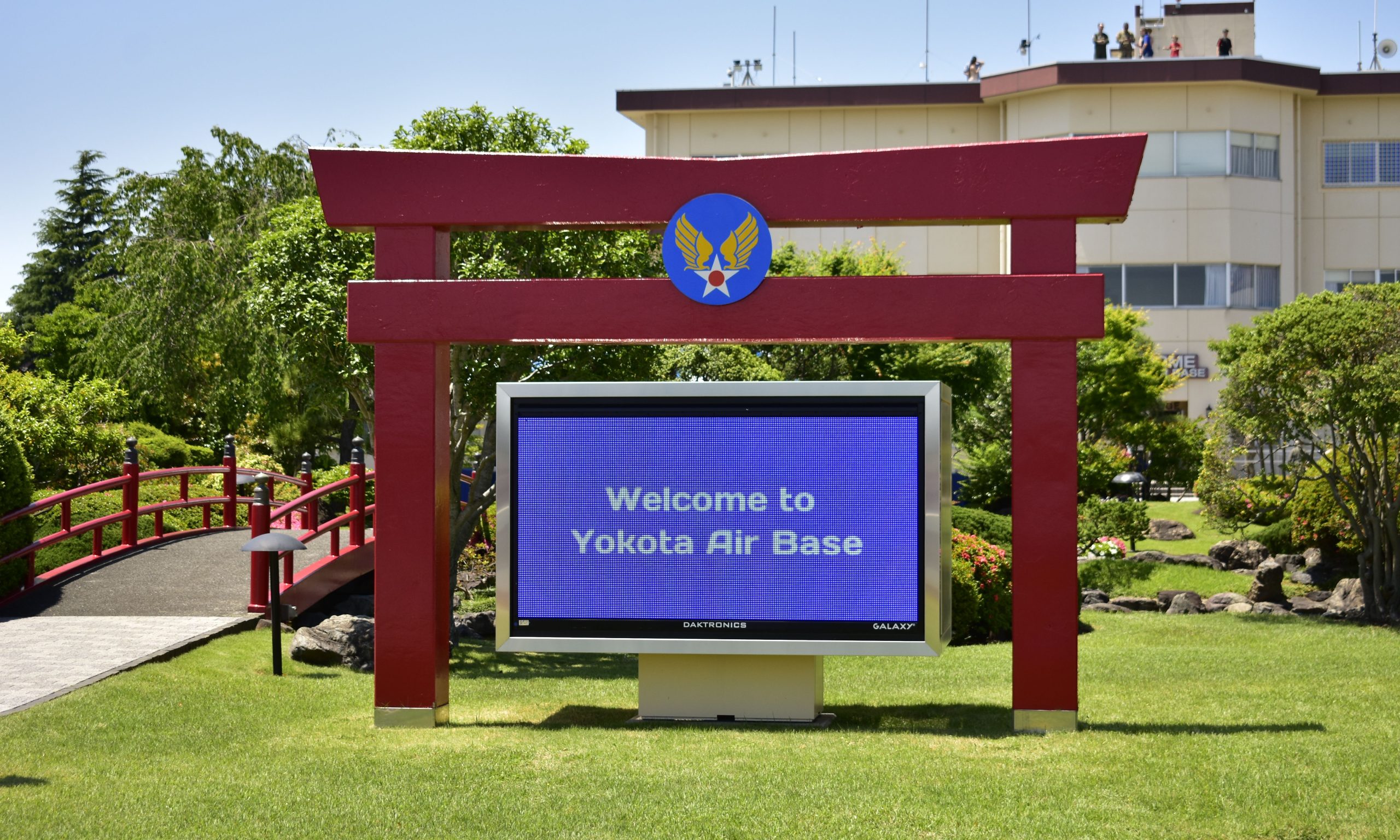
Most guides to this part of Tokyo were written by someone who visited once, for a weekend, on a layover between the “real” Japan trip stops. I lived here for three years. Navy, stationed at Yokota, and by the time I left, Fussa didn’t feel like a base town anymore. It felt like home.
If you’re PCSing to Yokota, dating someone stationed here, or just curious what’s actually around this part of western Tokyo beyond the base gates, this is the guide I wish someone had handed me on day one.
Where Fussa Actually Is (And Why That Matters)
Fussa sits about 40 minutes west of central Tokyo on the JR Ome Line, out past the edge of what most tourist maps even bother drawing. That distance is exactly why it’s worth knowing about. You’re far enough from Shinjuku and Shibuya that almost nobody visiting Japan for a week ever comes here, which means the restaurants, the shops, and the little rituals of daily life haven’t been shaped around tourists at all. They’re shaped around the people who actually live here.
That’s a different kind of Japan than the one in the guidebooks. Quieter. Slower. A lot more real.
Getting Your Bearings
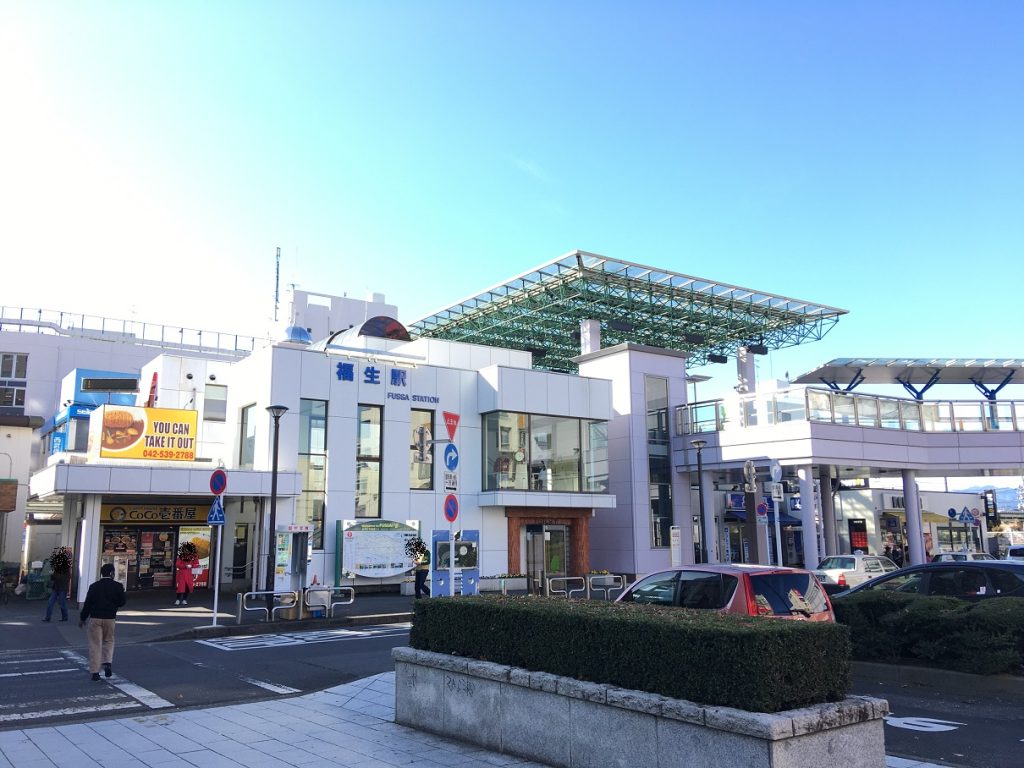
The town wraps around Fussa Station, and almost everything worth knowing is within a 15 to 20 minute walk of it. If you’re new here, spend your first weekend just walking. Don’t chase a checklist. Fussa rewards wandering more than it rewards planning.
A few orientation points that took me longer to figure out than they should have:
The Tamagawa Josui canal cuts through town on a walking and cycling path lined with trees that turn incredible colors in November. It connects a huge stretch of western Tokyo, and locals use it to walk, run, and bike far more than tourists ever discover.
Fussa Station’s west side has most of the everyday shops and grocery stores. The east side leans quieter and more residential, closer to the base.
The Tama River runs along the western edge of town, with open sky and a wide flood plain that makes for one of the better sunset walks in the whole Kanto region, and almost nobody outside the area seems to know it’s there.
Quick Bites Right by the Station
Before we get to the izakayas, there are a few spots by Fussa Station that deserve their own mention, because they became part of my actual weekly routine, not just a one-time try-it-once stop.
CoCo Ichibanya, the curry chain everyone just calls CoCo’s, has a location near the station, and it’s worth understanding the spice system before you walk in. The menu runs from mild up through a numbered scale, and the jump between levels is not gentle. Level 2 lands around what you’d expect from a jalapeño. By level 10, you’re somewhere around 20 times hotter than that, and some locations now offer an extreme level far beyond even that for people who want the challenge. My honest advice: order level 1 or 2 your first time, no matter how much of a spice person you think you are. You can always go up next visit. Going in at level 5 or higher on day one is how a lot of people’s first CoCo’s experience becomes their last. You build your own plate here too, choosing your protein, your toppings, and your rice amount, so it’s genuinely worth learning even if curry doesn’t sound exciting on paper. (More on how the CoCo Ichibanya spice scale actually works)
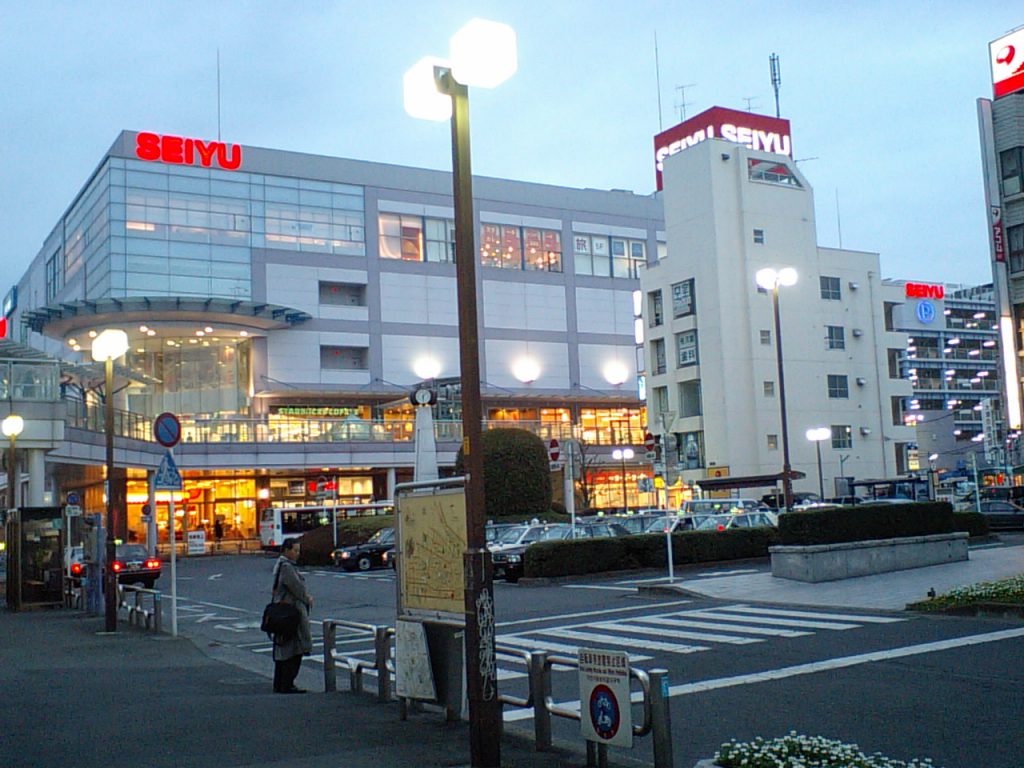
Right across the street, there’s a Mr. Donut attached to a Seiyu. If you haven’t run into a Seiyu yet, it’s one of Japan’s big everyday supermarket chains, the kind of place you’ll end up in weekly for groceries, basic household goods, and clothing essentials. It used to be owned by Walmart for a long stretch, which is part of why the layout can feel oddly familiar to anyone from the US. It’s changed ownership more than once since, but the stores themselves have stayed consistent: reliable, unglamorous, and exactly what you need when you just want to grab dinner ingredients without a special trip. The Mr. Donut attached to it is a good habit to have. Cheap coffee, better donuts than the name might suggest to an American ear, and it’s an easy stop before or after a grocery run.
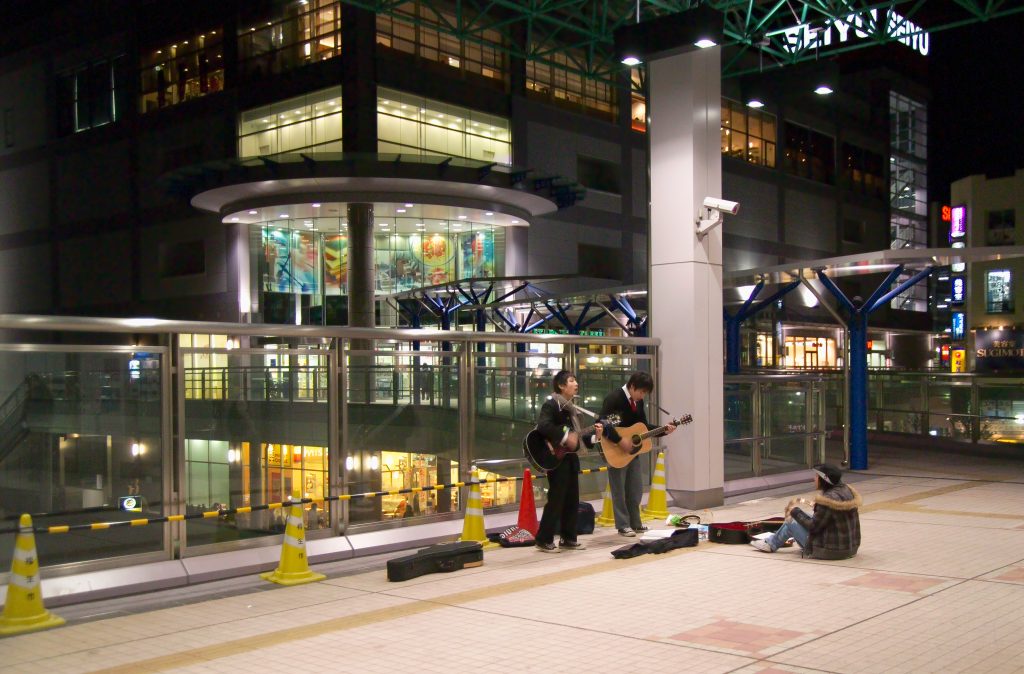
If you’re looking for a night out that isn’t just another izakaya, there’s a karaoke spot on the other side of the street by the McDonald’s, close enough to the station that it’s an easy stumble-to on a night out. Karaoke in Japan works differently than the version most Americans grow up with: you rent a private room by the hour instead of singing in front of strangers at a bar, which makes it a much better time even if you can’t sing, and a genuinely great way to end a night with a group.
Right outside the east gate, there’s a 7-Eleven that ends up being a genuine part of daily life here, the kind of place you stop at more than you’d expect for a quick coffee, an onigiri, or just to break a large bill. It’s also one of the most useful places in Japan if you need cash, since 7-Eleven ATMs are famously foreigner-friendly, they reliably accept US debit and credit cards, run 24 hours, and have an English-language option right on the screen. This is genuinely one of the easiest ways to get yen in your pocket without hunting down a bank.
Great Taj Mahal, an Indian curry restaurant that’s become a real favorite of mine, is over by the Fussa Gate, near Sushi Santa and right across from the small post office by Higashi Fussa Station. It’s a regular stop for a lot of people on base, and it’s easy to see why. Good curry, good naan, and an easy stop if you’re heading in or out of that gate and want something better than base food without going far.
The Izakayas Nobody Puts in a Guidebook
Here’s where three years actually pays off, because the best izakayas near Yokota aren’t the ones near the base gates with English menus and a laminated sign out front. Those exist, and they’re fine for a first week when you’re still nervous about ordering. But the ones locals actually go back to are smaller, further into the neighborhood streets, and often don’t have a menu in English at all.
A few things I learned the hard way about izakaya culture here that make the difference between an awkward night and a great one:
You’ll almost always get an otoshi, a small starter dish, the moment you sit down. It’s not optional and it’s not free, usually a few hundred yen. That’s normal. Don’t send it back.
Ordering is casual and ongoing. You don’t order one big meal upfront. You order two or three small plates, see how it goes, and keep ordering as the night continues. This is the entire structure of an izakaya night, and once it clicks, it changes how you eat in Japan permanently.
And if you want to drink like a local rather than a tourist, order a lemon sour. It’s a shochu-based highball with fresh lemon, it’s everywhere in western Tokyo izakayas, and it’s the drink that told me I’d actually started to belong here rather than just visit.
Sake Breweries You Can Actually Walk To
This surprised almost everyone I told about it while I was stationed here. Fussa is home to real, working sake breweries, not a tourist recreation of one.
[Ishikawa Shuzo] has been brewing here since the 1800s, and they offer tastings and a small shop. Tamura Shuzo is smaller and quieter, the kind of place where you might be the only visitor there that afternoon. Both are a short walk or a quick bus ride from the station, and both are the kind of thing you’d never find unless someone who actually lived here told you about it.
If you like sake even a little, block out an afternoon for this. It’s one of the few genuinely unique things Fussa has that most of Tokyo doesn’t.
A Bigger Day Out: Tachikawa
When you want more than Fussa can offer, Tachikawa is one train ride away on the same line, and it’s a completely different kind of energy, dense, bright, and built for a full day out.
Shopping here is genuinely serious. Isetan and Takashimaya cover the higher end, Lumine and Granduo lean younger and trendier, and LaLaport Tachikawa Tachihi is a massive mall with somewhere around 250 stores plus a full food court under one roof. Tachikawa also has the first IKEA ever built in Tokyo, a short walk from the station, if you need furniture or just want the meatballs.
Food options are dense enough that you could eat in Tachikawa every weekend for a year and not repeat yourself. Ramen Square alone packs several different regional ramen styles into one building, and the streets around the station are thick with izakayas, bars, and casual restaurants that stay lively well past dinner.
If you eat one thing in Tachikawa, make it the wings at Yamachan. This isn’t just a personal favorite, it’s some of the best chicken wings I’ve had anywhere, full stop. Yamachan is a Nagoya-style tebasaki chain, and the wings are double-fried, which is the actual secret behind that shatteringly crispy skin, then coated in their signature pepper seasoning while still hot. The result is crispy in a way that holds up, not the kind of crispy that goes soft the second sauce touches it, with a savory, peppery flavor that’s completely different from American-style wings. And yes, they do a spicy version, and yes, it is genuinely spicy, not the watered-down “spicy” some places serve tourists. If you can handle heat, order them spicy. If you can’t, the regular version is still one of the best things you’ll eat in western Tokyo. Either way, get an Asahi with them. It’s the correct move.
Arcades and entertainment round it out. LaLaport has a full arcade, a bowling alley, and a cinema built in, and if you’re into retro or collectible gaming, Tachikawa has a genuine Surugaya store and a Kotobukiya figure shop, the kind of places serious collectors specifically travel out to visit rather than just stumble into.
And if you want green space after all that, Showa Kinen Park sits right nearby, one of the largest public parks in the entire Tokyo area, worth its own trip regardless of the season. [More on Showa Kinen Park and the rest of what Tachikawa offers].
Easy Day Trips From Fussa
You don’t need to go all the way into central Tokyo every time you want to see something. Some of the best day trips in the entire Kanto region are closer to Fussa than most tourists realize.
[Mount Takao] is one train transfer away and one of the most accessible real hiking mountains near Tokyo, with a cable car option if you don’t want the full climb.
Okutama pushes further out along the same rail line and trades the city entirely for mountains, a reservoir, and genuine countryside quiet, a real escape without needing a car.
What I’d Tell Someone Moving Here Tomorrow
If you’re arriving at Yokota for the first time, here’s the honest, practical version of what I wish someone had told me:
Get an IC card (Suica or Pasmo) within your first few days. It works on nearly every train and bus in the country and makes getting around dramatically easier than buying individual tickets. Once you have one, add it to your phone’s wallet app and link a debit or credit card to it. This is the move that actually saves you: once it’s linked, you can top up your balance right from your phone in a few seconds, anywhere, instead of standing at a station kiosk feeding in cash while a line builds up behind you. It’s the difference between calmly tapping through the gate and sprinting for a train while your balance reads zero. [JR East’s official Mobile Suica info] covers setup for both iPhone and compatible Android phones.)
Learn the Ome Line and how it connects to the rest of Tokyo’s rail network before you try to plan a big trip. Once it clicks, the entire city opens up.
Don’t rush to leave Fussa every weekend. It took me almost a year to actually explore my own neighborhood properly, and some of my best memories from three years in Japan happened within walking distance of the base, not on some big trip to Kyoto.
And go to a local festival if you’re here in summer. Fussa’s Tanabata festival fills the streets with decorations and food stalls, and it’s the kind of thing that makes a base town feel like an actual hometown, even if only for a weekend.
Frequently Asked Questions
Is Fussa a good place to live if you’re stationed at Yokota Air Base?
Yes. It’s quieter and less touristy than central Tokyo, but still fully connected by train, with real neighborhood life, good food, and easy access to both nature and the city.
How far is Fussa from central Tokyo?
About 40 minutes from Shinjuku by train on the JR Ome Line, depending on the specific train and connections.
What is there to do near Yokota Air Base besides the base itself?
Sake brewery tours, walking the Tamagawa Josui canal path, local izakayas, CoCo Ichibanya and casual food near the station, and easy day trips to Mount Takao, Okutama, and Tachikawa.
Do I need to speak Japanese to enjoy Fussa?
No, but it helps more here than it would in central Tokyo, since fewer places cater specifically to English speakers. A translation app and a little patience go a long way.
—
*Have a question about Fussa, Yokota, or western Tokyo I didn’t cover here? [Contact me] and I’ll get back to you.*