 By Johnathan
 If Fussa is home base, Tachikawa is where you actually go when you want a real night out without making the trip into central Tokyo. I already mentioned pieces of it in my original Fussa guide, but Tachikawa deserves its own full writeup, because there’s genuinely more packed into this one area than almost anywhere else nearby. My group and I would come here constantly when we wanted to stay local instead of making the full trip to Tokyo. It has everything you could actually want in one place, food, shopping, arcades, a park, nightlife, all within easy walking distance of the station.
What makes Tachikawa different from a lot of other western Tokyo areas is the sheer density of it. You’re not choosing between one good restaurant or one decent shop, you’re choosing between dozens, all clustered around a single train station, which makes it the kind of place you can show up to with no plan at all and still have a great day.
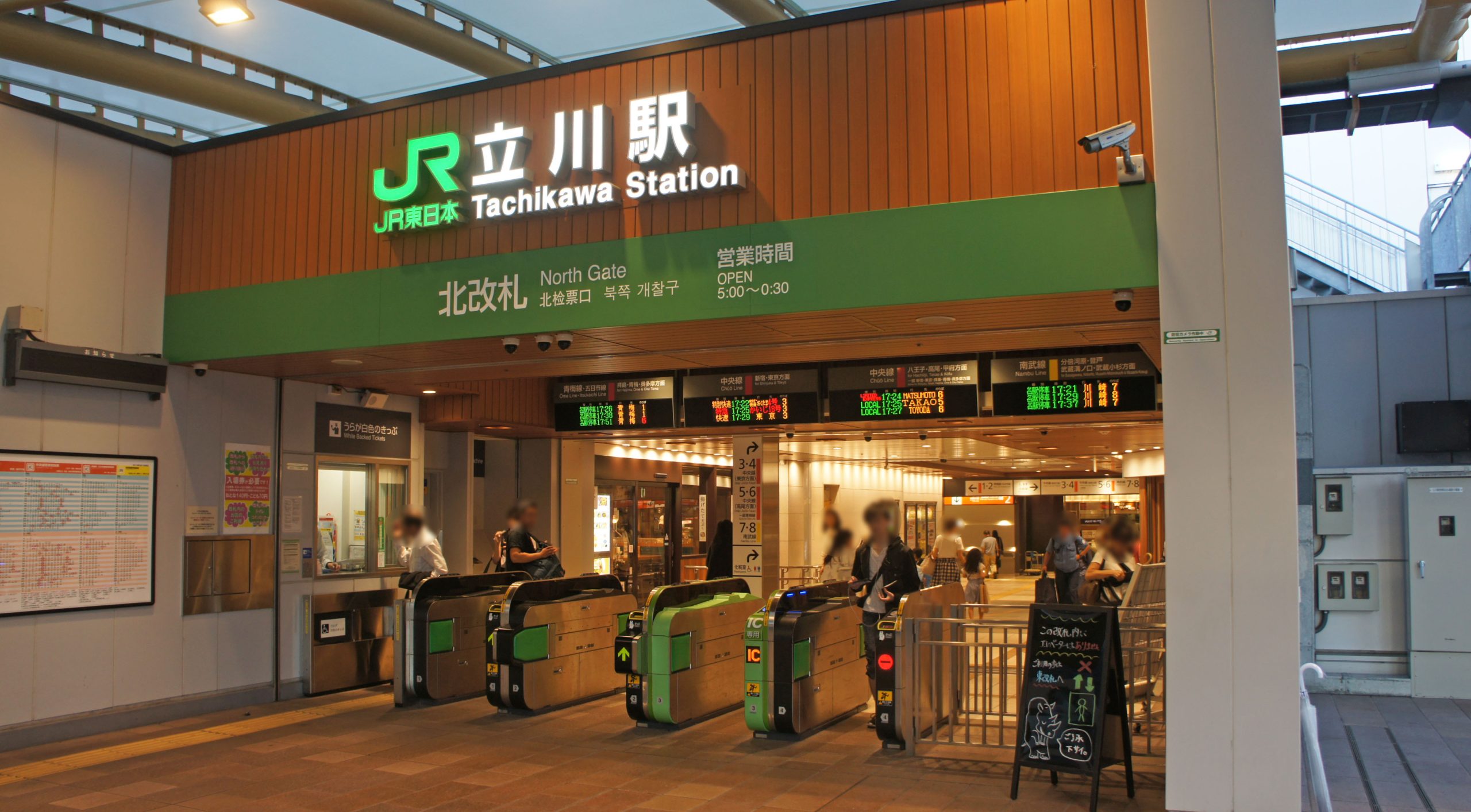
One practical thing before you go: for most of what’s in this post, Ichiran, the arcade, Book Off and Hard Off, IKEA, and the nightlife area, head out the North Exit. That’s where the shopping and entertainment cluster is. The one exception is Ramen Square, which sits at the South Exit instead, so if that’s your first stop, head that way and work your way around from there.
My First Bowl of Ichiran
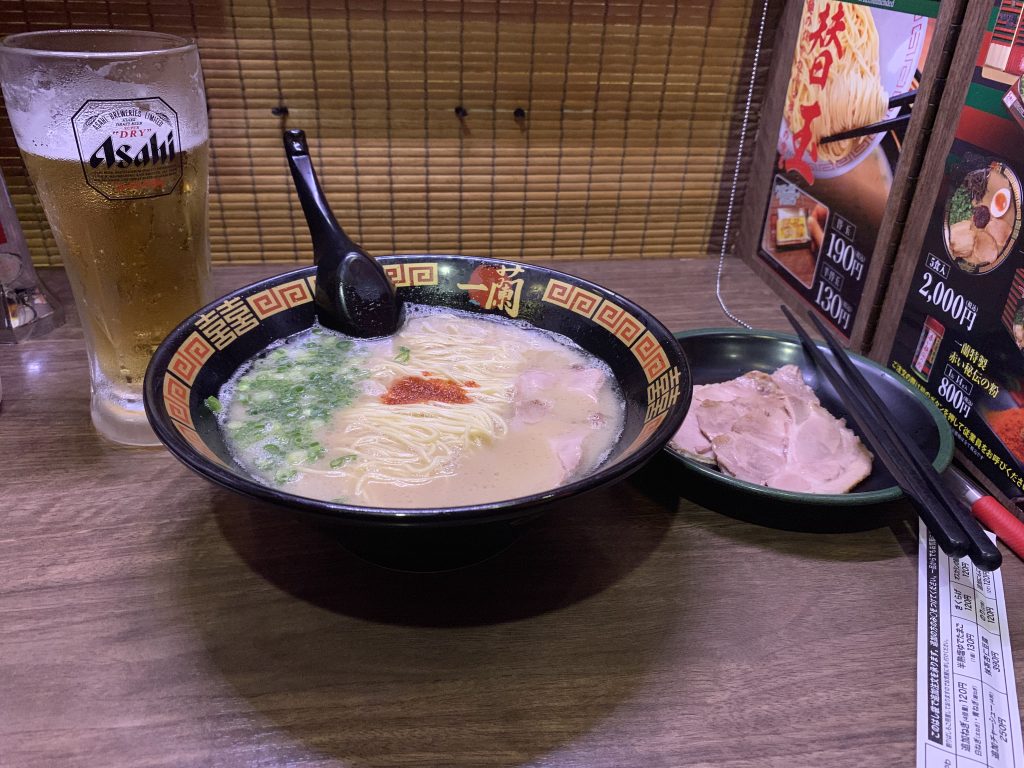
I had my first bowl of Ichiran here, and the whole experience is honestly part of what makes it worth doing, not just the ramen itself. You start by ordering from a vending-style kiosk near the entrance, picking and paying for what you want before you even sit down. You take your tickets to your seat, which is its own private booth with dividers on either side, and at the booth there’s a paper form where you customize your bowl, noodle firmness, richness of the broth, garlic, spice level, whether you want a side of rice or a drink like beer. Each booth also has its own cup and a small water tap built right into the table, so you can pour your own water whenever you want without needing to flag anyone down. You hand the form and your tickets to the staff through a small opening, and then the curtain in front of you closes. A few minutes later, it opens again and your bowl is just there, like magic. It sounds like a gimmick until you actually experience it, and then you get it. It’s quiet, it’s private, and it’s honestly one of the more peaceful meals I’ve had anywhere. The ramen itself is genuinely excellent too, not just a novelty built around the ordering system.
Shopping and Everyday Spots
I already covered LaLaport Tachikawa Tachihi and Tachikawa’s IKEA, the first ever built in Tokyo, in my original Fussa guide, so I won’t repeat all of that here. A few more IKEA facts worth knowing: it’s a genuinely major destination in its own right, not just a furniture stop, people make dedicated trips out here specifically for the Swedish meatballs at the in-store restaurant, and it regularly shows up on local “best places to eat” lists for that reason alone, which says something about how seriously people here take it.
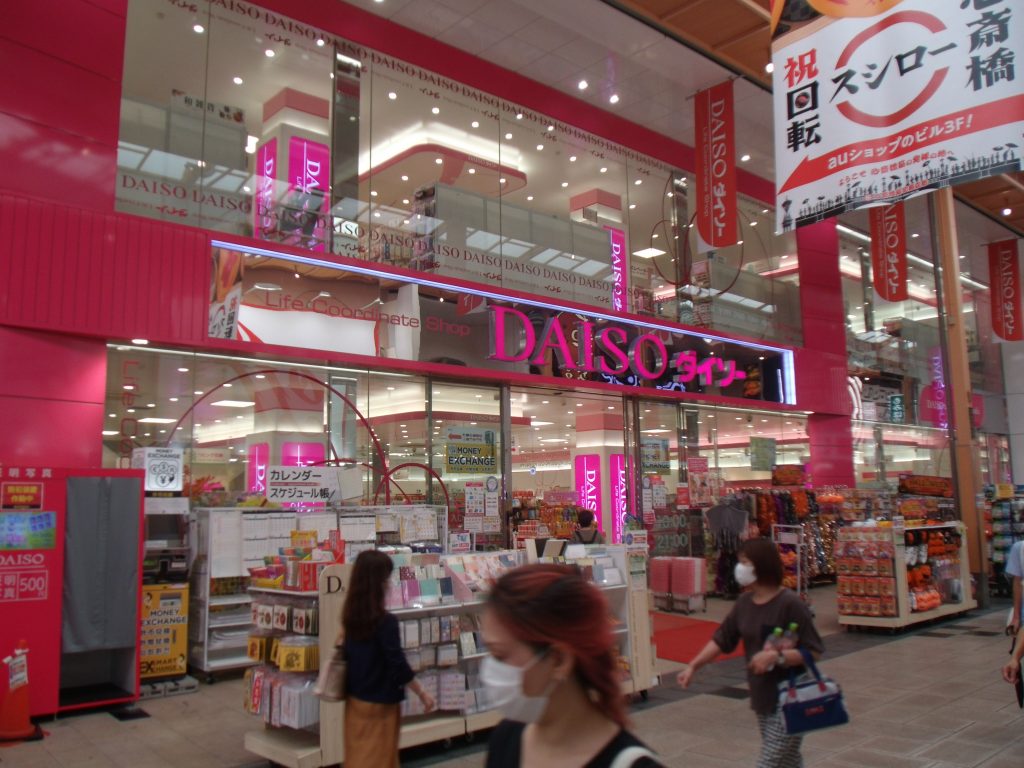
DAISO is also here, and if you haven’t run into one yet, it’s Japan’s answer to a dollar store, except genuinely useful. Almost everything in the store is priced at a flat rate (traditionally 100 yen before tax, though some items run higher now), and the range covers kitchenware, stationery, cleaning supplies, snacks, seasonal decorations, and small home goods. The quality is noticeably better than what you’d expect from a dollar-store equivalent back home, it’s a legitimately good stop for cheap household basics, not just novelty junk. If you’re setting up a new apartment or just need something small you don’t want to spend real money on, this is genuinely one of the most useful stores in the entire area.
For used goods, Book Off and Hard Off are both here, and they’re worth knowing about even if secondhand shopping isn’t usually your thing. Book Off covers books, manga, games, and media, while Hard Off (and its related Off House stores) covers electronics, accessories, instruments, and clothing. Think Goodwill, but far more organized, better maintained, and honestly stocked with better finds. Everything is sorted cleanly by category and graded by condition, so you’re not digging through disorganized bins the way you might back home, it’s laid out more like a real retail store than a typical thrift shop. It’s a genuinely good way to find cheap electronics or unique clothing pieces you won’t see anywhere else, and the turnover is fast enough that it’s worth checking back regularly rather than treating it as a one-time visit. Prices are fair for the condition too, nothing feels overpriced just because it’s secondhand, and you’ll regularly find things priced well below what the same item would cost new.
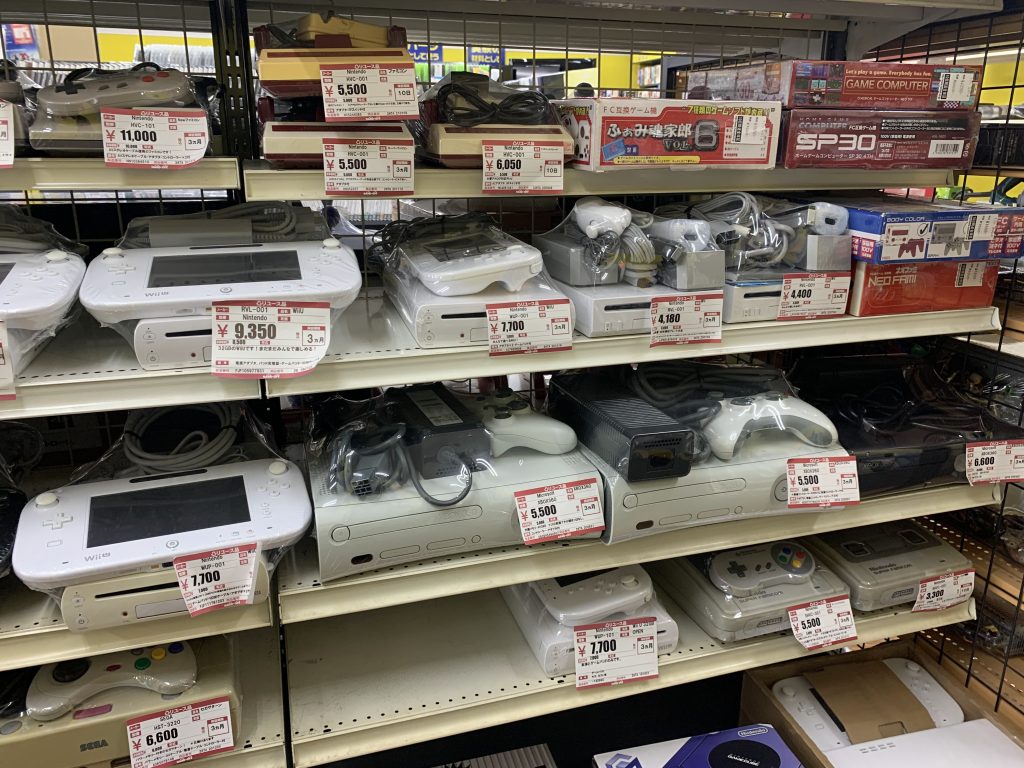
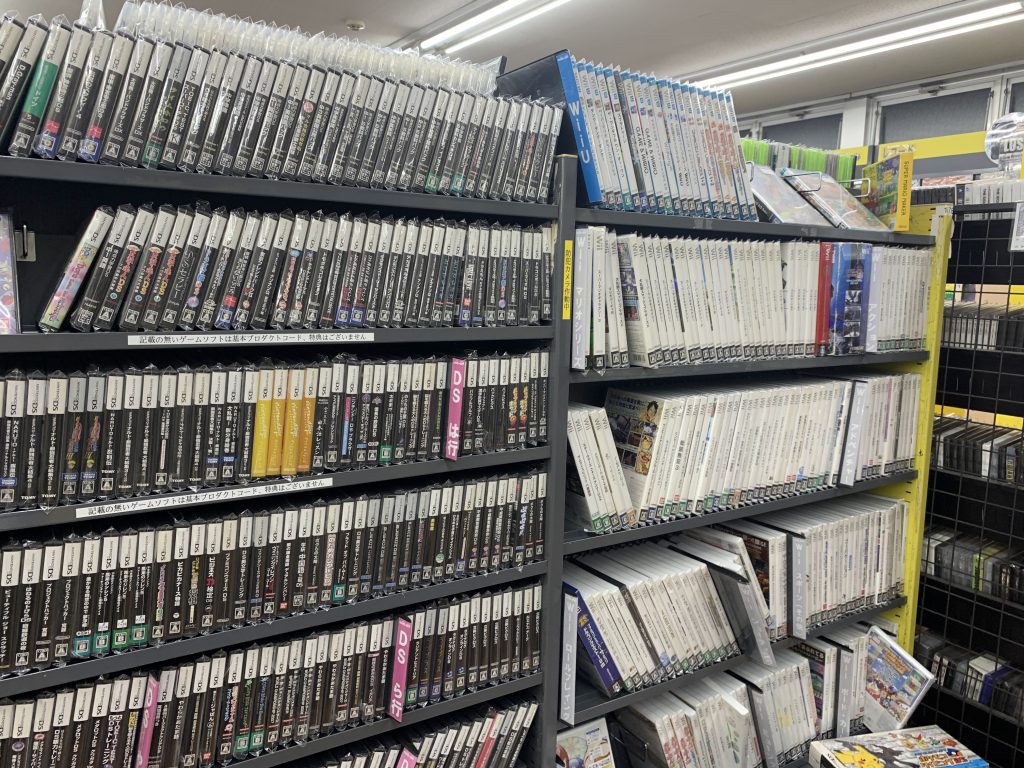
The gaming selection specifically deserves its own callout. I bought a Wii U from here, and that’s honestly just scratching the surface, they carry a huge range of systems, from current-generation stuff like the PS5 all the way back to the Nintendo 64, Dreamcast, and Sega Genesis. Tons of used and new games too, often shelves upon shelves of them organized by system, so you can actually browse rather than hunt. This is genuinely where I go to pick up Switch games now, since the deals here are consistently better than what you’d find elsewhere, and between the discounts and the current exchange rate, a lot of games end up running roughly half what you’d pay for the same title back home. Even older, harder-to-find titles show up here more often than you’d expect, so if you’re into retro gaming specifically, this is worth a dedicated trip on its own, not just a stop while you’re doing something else. If you’re into gaming at all, budget real time for this section specifically, it’s easy to lose an hour just browsing.
GiGO Tachikawa
There’s a GiGO arcade here, and it’s easy to lose a serious amount of time in it. Japanese arcades are a different experience from what most people picture back home, multiple floors, genuinely loud, lit up in every direction, packed with a mix of claw machines, rhythm games, photo booths, and full-size arcade cabinets you won’t find anywhere else. The claw machine floor alone is worth a slow walk through, stacked with figurines, stuffed animals, candy, and chocolate, and the prize variety changes often enough that it’s worth checking back regularly even if you’ve been recently.
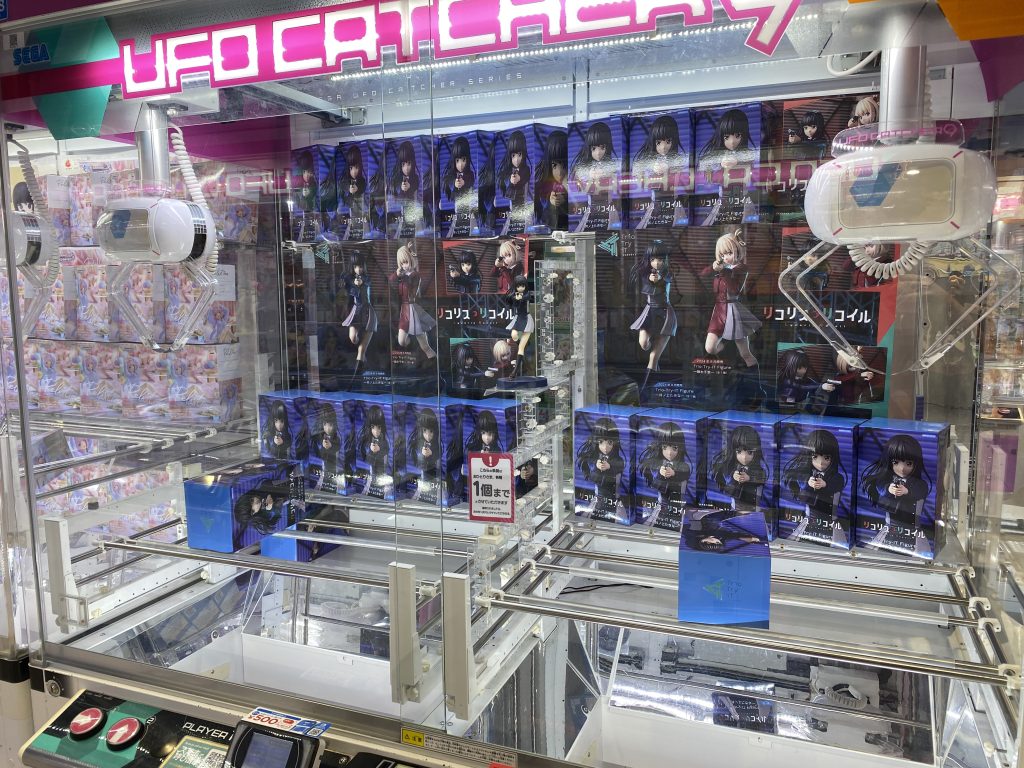
The staff are also genuinely great about it, if you’re struggling to win something, they’ll often step in and help however they can. It’s happened to my group more than a few times, someone notices you’ve been trying for a while and comes over to help line up the shot or adjust the machine a bit. That kind of thing isn’t something you’d expect walking in, and it’s part of why this specific arcade became a regular stop rather than a one-time novelty for us.
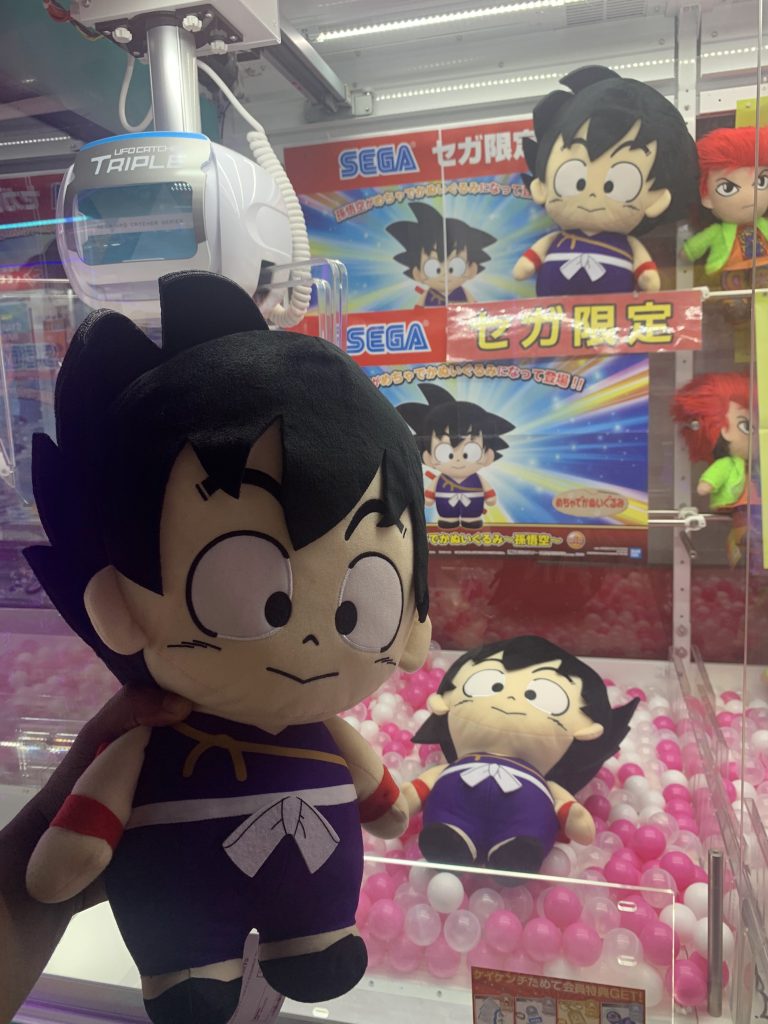
Bring physical yen with you, the machines need coins, and there’s a change dispenser inside if you show up with only bills. One genuinely useful tip: if you’ve got your Suica card loaded onto your phone, you can usually just tap your phone on the machine’s payment area to play instead of needing exact change. It saves real time, especially if you’re just stopping in on a whim and don’t want to go hunting for coins first. Give yourself more time here than you think you’ll need, an hour turns into three faster than you’d expect once you’re a few wins deep.
Izakayas and Nightlife
Tachikawa has serious nightlife for a place that’s technically still western Tokyo rather than central. There are izakayas all over the area for late-night drinking and eating, plenty of bars beyond that if you just want to drink, and it’s dense enough that you could bounce between multiple spots in one night without ever needing a train.
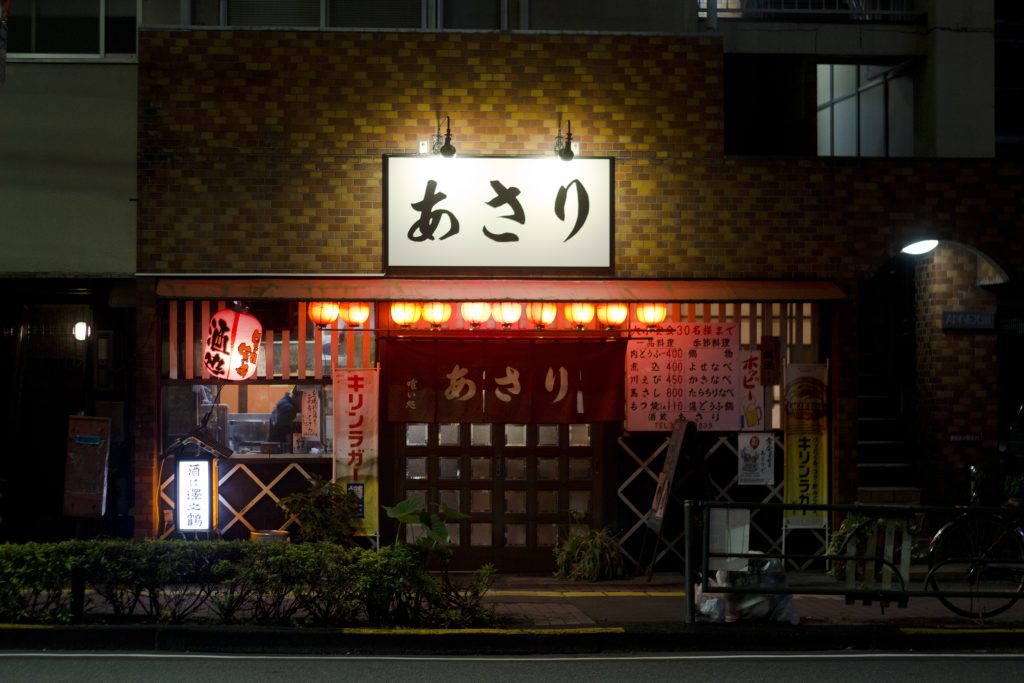
KATSUO is a genuinely good izakaya in the area, worth seeking out. And Yamachan is here too, the same Nagoya-style wing spot I raved about in my original Fussa guide, still some of the best wings I’ve had anywhere, still worth an Asahi alongside them.
There’s also a solid hookah lounge in the area my friends and I would go to regularly, Dodcafe. It’s right by Yamachan, before you head down into the tunnel that comes out the other side near it, easy to find once you know it’s there. Genuinely good food, a great vibe, and the hookah itself is excellent, they carry a huge range of flavors. Get the iced version if it’s on offer when you go, it’s easily my favorite way to have it there. A really relaxed, good environment to end a night after eating.
If you want something familiar before heading out for the night, there’s also a MEGA Don Quijote here, the bigger-format version of the Don Quijote near Yokota I already covered in detail, same chaotic, genuinely useful everything-store, just with more floors.
Everything Else Worth Knowing
There’s a movie theater right in the station area, genuinely convenient if you want an easy, low-effort plan on a day you don’t feel like doing much else. Ramen Square, which I mentioned in my Fussa guide, is also here if Ichiran doesn’t scratch the itch and you want to try a different regional style. And Showa Kinen Park, one of the biggest parks in the entire Tokyo area, sits right alongside all of this too, so a day here can genuinely swing from arcade and shopping to a quiet walk through the park without ever needing to leave the area.
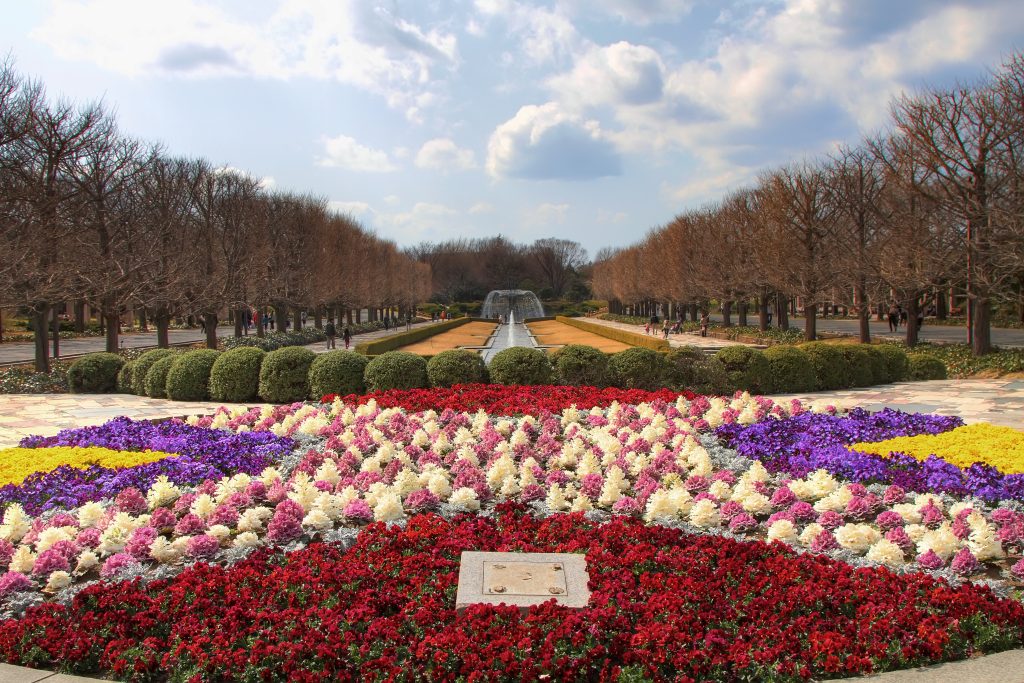
That range is really the whole point of Tachikawa. Most places near Fussa are good for one or two specific things. Tachikawa is good for basically everything at once, which is exactly why it became our default answer whenever someone in the group said they wanted to do something but didn’t care what.
Where to Stay if You’re Visiting
If you’ve got family or friends coming to visit and want a home base that puts them close to all of this, Tachikawa is a genuinely smart place to book, better connected and more convenient than staying somewhere deep in central Tokyo if the rest of your trip is centered out this way.
Japanese Word to Know: omakase (お任せ) Pronounced oh-mah-kah-seh. It means “I’ll leave it up to you,” and it’s the spirit behind places like Ichiran letting you customize every detail, and also just a good phrase to know generally when you want to hand the decision over to the chef or staff instead of picking yourself.
Frequently Asked Questions
What is Ichiran and how does the ordering system work?
Ichiran is a ramen chain known for individual private booths and a customization form covering noodle firmness, broth richness, and spice level. You order and pay at a kiosk first, then fill out the form at your seat and hand it to staff through a small opening, and your food appears once the curtain reopens.
Is Tachikawa worth visiting instead of central Tokyo?
Yes, especially if you’re staying in western Tokyo already. It has shopping, arcades, izakayas, a movie theater, IKEA, and Showa Kinen Park all in one area, genuinely enough to fill a full day or night without needing to travel further into the city.
What is Book Off and Hard Off?
Secondhand stores, Book Off for books, manga, and media, Hard Off for electronics, instruments, and accessories. Both are well organized and a legitimately good source for cheap finds, not just novelty thrift shopping.
Can I use my phone to pay at the arcade in Tachikawa?
Often yes, if you have a Suica card loaded onto your phone, many arcade machines let you tap to pay instead of needing physical coins, though it’s worth bringing some cash as a backup.
How do I get to Tachikawa from Fussa?
Tachikawa is on the same JR Ome Line as Fussa Station, just a short direct ride with no transfer needed, one of the easiest connections in this whole area.
Have a question about Tachikawa, or want a recommendation for a specific night out? Contact me and I’ll get back to you.