 By Johnathan
 Whether you’re stationed at Yokota, visiting family who is, or just planning your own trip to Japan with no military connection at all, this post is for you. These are the practical things I actually had to learn firsthand, the stuff that either gets glossed over or buried in a 40-page briefing packet. No gatekeeping here, this is just what actually helps, organized in the order I’d actually tackle it if I were starting over.
First: Get Cash Sorted
A lot of places in Japan, especially smaller restaurants, older shops, and some izakayas, still only take cash. Showing up assuming your card will work everywhere is a real way to end up stuck mid-meal with no way to pay. Get comfortable carrying yen, and don’t let your balance run too low before you’re near a way to top back up.
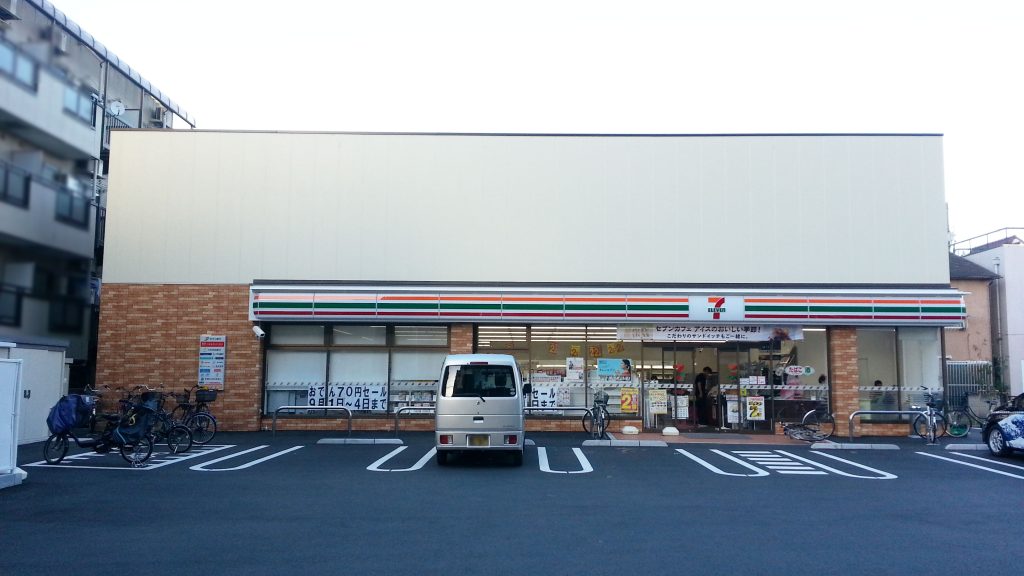
7-Eleven and other convenience store ATMs are genuinely the easiest way to get cash as a foreigner. They reliably accept US debit and credit cards, run 24 hours, and have an English-language option right on the screen, just select it before you start the transaction. Lawson and FamilyMart ATMs work similarly, so you’re rarely far from a working option no matter where you are. If you’re on or near a US base, there are also ATMs specifically set up for military-affiliated banking, check with your installation for exact locations, but they’re a real option alongside the conbini ATMs, and sometimes carry better exchange terms depending on your bank.
Worth knowing on the currency side: the yen has been trading quite weak against the dollar recently, sitting well above 160 yen per dollar as of this writing, near some of the weakest levels in decades. In practical terms, that means everyday spending here, food, drinks, taxis, small purchases, often stretches further for anyone earning or holding dollars than it would have a few years back. Rates shift, so it’s worth a quick check before a big trip, but as of right now, it’s a genuinely good time to be spending dollars in Japan.
Here’s an easy way to keep it straight in your head without doing real math every time: at the current rate, treat every 150 yen as roughly a dollar. So 10,000 yen works out to somewhere around $65, not the flat $100 you might assume if you’re used to older exchange rates from a few years back, when the yen was much closer to 100 per dollar. The first time I pulled 10,000 yen from an ATM, I genuinely thought I’d just taken out a huge amount of money, until I actually did the math and realized it was a lot more reasonable than it looked. A quick trick: drop the last two zeros off any yen price, then knock off another 30 to 35 percent, and you’ll land close to the real dollar amount most days.
Second: Sort Out Your Cell Phone Situation
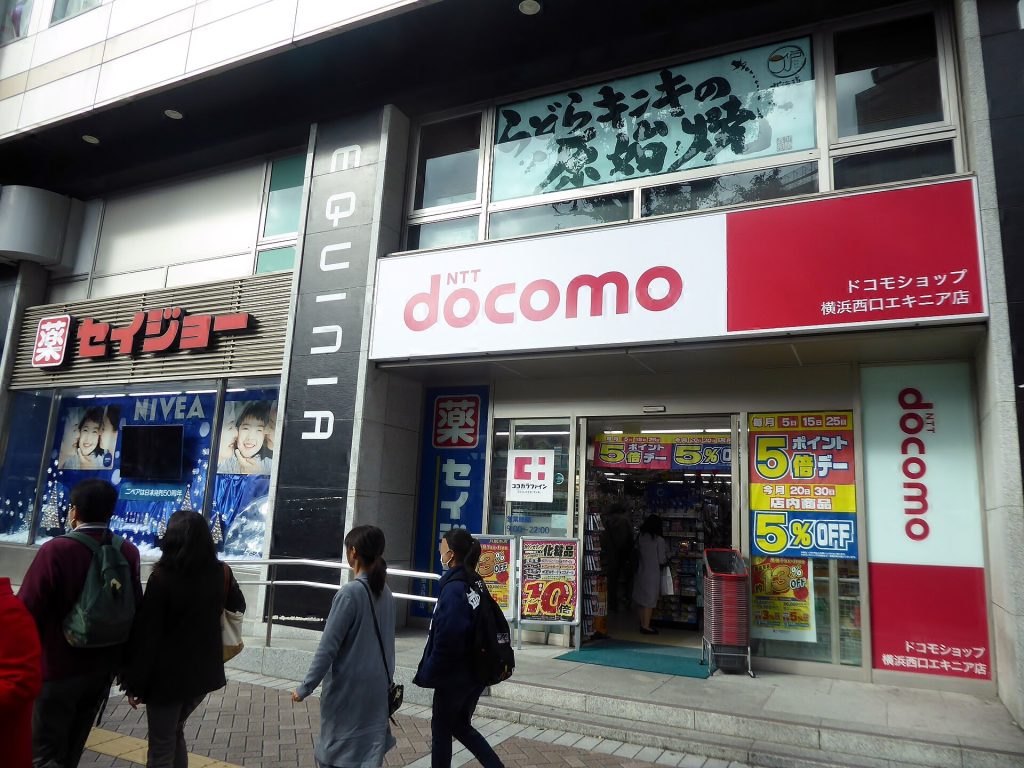
Japan’s mobile network runs on three major carriers, au (by KDDI), SoftBank, and NTT Docomo, and it’s worth understanding your actual options here rather than just assuming your US phone will handle everything fine on its own.
If you have T-Mobile, here’s the confirmation you were asking about: yes, T-Mobile’s international roaming in Japan does run on partner agreements with Japan’s own carrier networks, most commonly SoftBank and NTT Docomo, with au sometimes involved too. T-Mobile doesn’t publish one single official partner, your phone just automatically connects to whichever of these networks has the strongest signal at your location. The catch worth knowing: most T-Mobile plans throttle roaming data down to something like 128-256 Kbps once you’re on standard included roaming, workable for texts and basic maps, genuinely frustrating for anything more, like streaming or heavy Google Maps use during transit navigation. Higher-tier plans do better here, some include unlimited texting and calling at a flat $0.50 per minute while roaming in Japan, along with a real high-speed data allotment (commonly up to 15GB) before dropping back to throttled speeds. Check T-Mobile’s own international roaming page for your specific plan’s exact terms, since this varies enough between plans that it’s worth confirming before you land rather than assuming.
If you’re actually moving here rather than just visiting, signing up directly with one of the big three carriers is usually the better long-term move over permanent roaming, better speeds, better rates, and full local service rather than a roaming workaround. Any of the three works well, coverage across all of them is strong throughout populated areas, so it often comes down to whichever plan and store is most convenient to where you’re actually living.
Third: Set Up Your IC Card
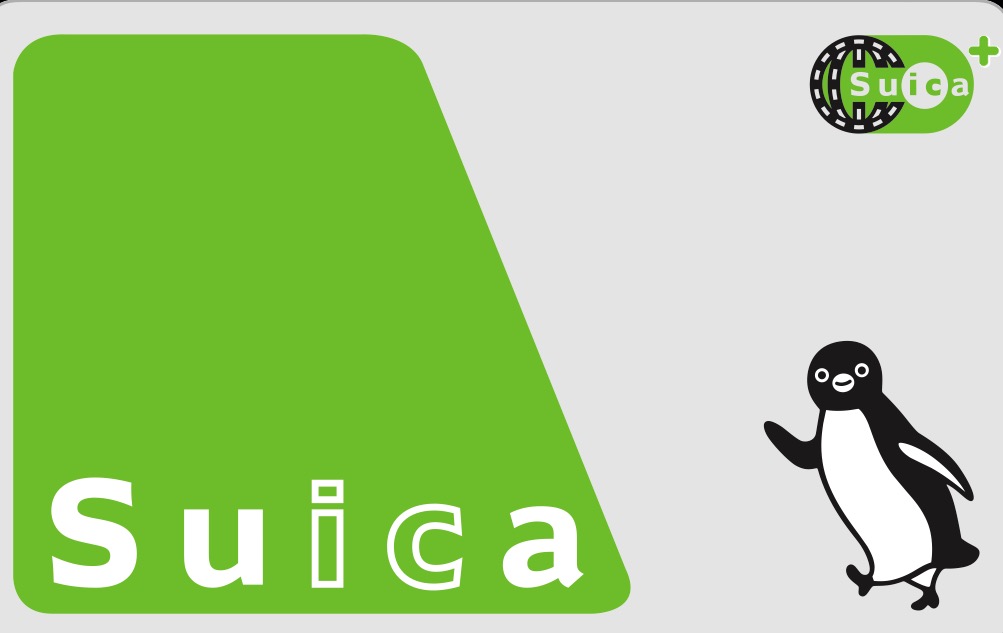
Once you’ve got cash sorted, get a Suica or Pasmo card, and load it onto your phone if your device supports it. Both work essentially the same way and are accepted interchangeably almost everywhere, the real difference is just who issues them, Suica comes from JR East, while Pasmo is issued by Tokyo’s private railways and subway operators. You genuinely don’t need both, pick whichever you happen to get first, since they function identically for trains, buses, vending machines, and store purchases. I covered the actual Suica setup steps in detail in my Fussa guide, so I won’t repeat all of that here, but it’s worth doing early, since it makes everything else in this post easier.
It’s not just for train fare either. You can tap it to pay at most vending machines, at plenty of convenience store registers, at some restaurants, and even at certain arcade machines, we covered that specific tip in the Tachikawa post. Loading money onto it once and tapping your way through a whole day without touching cash is a genuinely normal way to live here.
Fourth: Learn to Navigate With Google Maps or Apple Maps
This is where Japan quietly outperforms almost anywhere else in the world for public transit navigation, if you know how to actually use it. Both apps get you where you’re going, but knowing these specific features turns a stressful transfer into a non-event.
Google Maps in Japan doesn’t just tell you which train to take, it tells you the exact departure platform, a countdown to the next train, and, for major JR and Metro routes, it will actually recommend which specific train car to board. That recommendation isn’t random, it’s telling you which car lines up closest to your transfer staircase or the exit you’ll need at your destination station. Look for a line like “board car 7” in the route details. It sounds like a small detail until you’re in a massive station like Shinjuku or Shibuya, easily some of the busiest stations on earth, and you realize you just saved yourself a five to ten minute walk down the platform instead of fighting through a crowd to get to the right spot after you get off.
Apple Maps has improved a lot on Japanese transit too and covers the basics well, platforms, line names, timing, though Google Maps still tends to have the deeper integration for car-number recommendations specifically. Either app will also give you subway exit codes at your destination, letter-and-number combinations like A7 or B12, so you come up at street level exactly where you need to be instead of guessing between ten different exits at a station that size.
One more practical tip: download offline maps for your area if you’re worried about signal, and give yourself real buffer time on transfers at the biggest stations, five to ten minutes of walking between platforms isn’t unusual even when everything’s going right.
Also worth planning around: trains here don’t run all night. Most lines stop somewhere around midnight to 1am, and the first trains of the next day generally start back up around 5am. That gap catches a lot of people off guard on a good night out, missing the last train can mean an expensive taxi ride or waiting it out until morning (ask me how I know), so keep an eye on the time if you’re out late, especially somewhere like Tachikawa.
Fifth: Know What Convenience Stores Can Actually Do
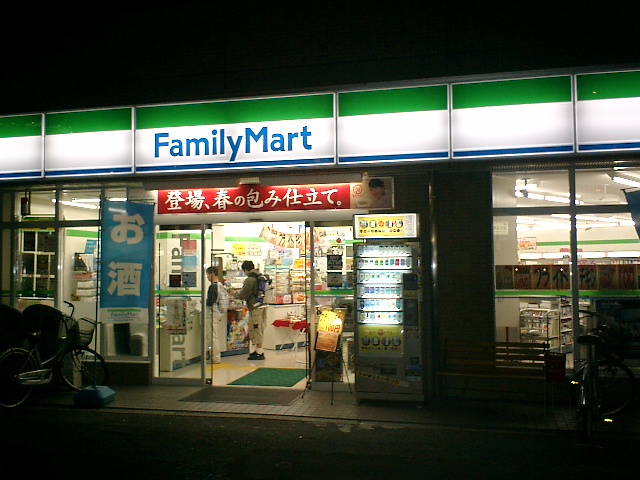
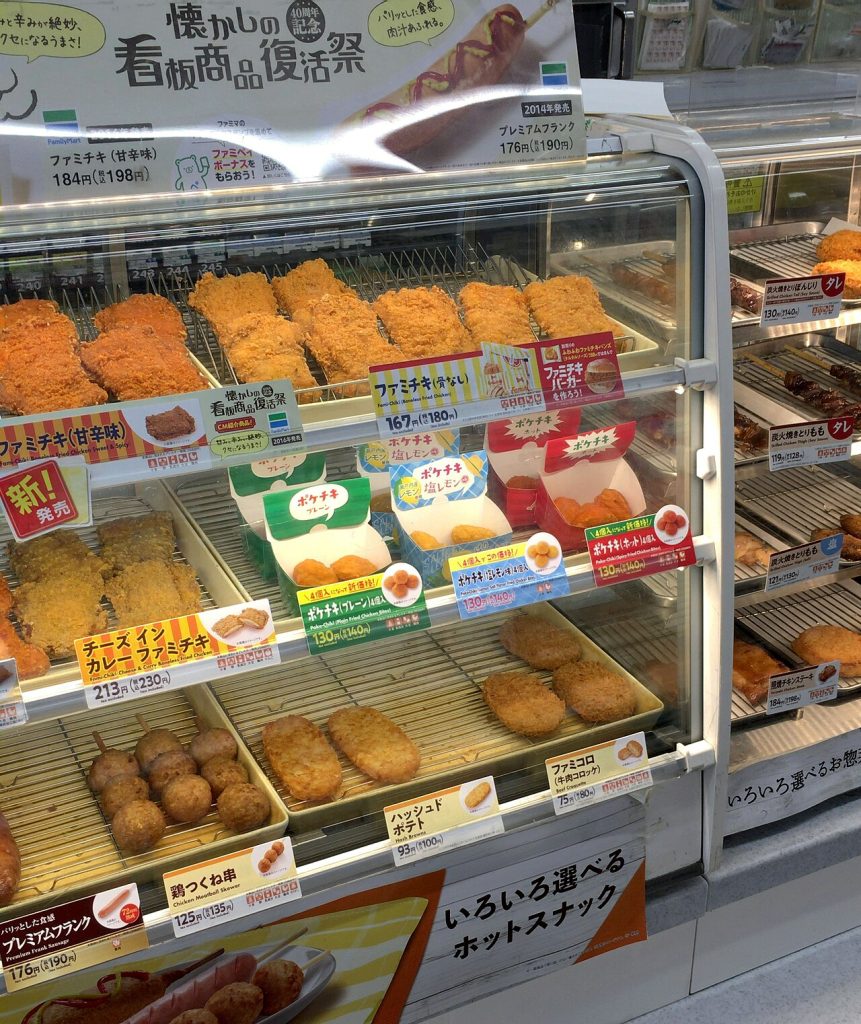
Beyond the ATMs, convenience stores here are a completely different experience than back home. If you buy something that needs heating, ramen, curry, fried chicken, whatever, the staff will heat it up for you right there, just ask or hand it over when you check out. It’s a small thing that makes a 7-Eleven dinner feel like an actual meal rather than a sad backup option.
A few things worth actually seeking out. FamilyMart’s famichiki, their fried chicken, is genuinely excellent, crispy, well seasoned, and a real go-to if you want something hot and easy. The egg sandwich, tamago sando, sold at basically every convenience store chain, is one of those things that sounds boring on paper and turns out to be one of the best simple foods in the country, soft milk bread, a rich, almost fluffy egg salad filling. And tuna mayo onigiri is one of my personal favorites, rice wrapped in seaweed with a tuna and mayonnaise filling, an easy, cheap, genuinely satisfying snack you’ll probably end up buying constantly once you try it.
One more thing that’ll stick with you: FamilyMart plays a short little chime when you walk in, and it will absolutely get stuck in your head. It’s got this charming, almost retro video game quality to it, like something out of the old Super Nintendo days. Years later, I still catch myself randomly humming it out of nowhere.
And grab a Mitsuya Cider while you’re at it, a clean, crisp, lightly sweet Japanese soda that’s been around for over a century, and it pairs perfectly with basically anything on this list. Famichiki in one hand, a cold Mitsuya Cider in the other, and honestly, you’re in good shape.
Sixth: Learn the Etiquette Basics
A few things I was taught early on that genuinely go a long way, and that most people never get told directly, they just have to notice on their own.
Chopstick etiquette. Never stick your chopsticks upright into a bowl of rice, it visually mirrors an incense ritual performed at funerals, and it reads as a real breach of etiquette, not just a quirky no-no. Same goes for passing food directly from your chopsticks to someone else’s, that mimics a specific funeral custom involving bones after cremation. Pass food onto a plate instead, and hand chopsticks over properly if someone needs a pair. Also worth knowing: don’t point with your chopsticks, and don’t rest them crossed on your plate.
Slurping your noodles is genuinely fine, expected even. If you walk into a ramen shop and hear people slurping loudly, that’s completely normal here, not rude at all. It’s actually considered a small compliment to the food, a sign you’re enjoying it, and slurping helps cool the noodles slightly and pull in more flavor and aroma as you eat. Don’t feel weird about doing it yourself.
Quiet on trains. Keep your voice down, and skip phone calls entirely, if you have to take one, step off at the next stop or wait. Trains here are full of people commuting to work, and plenty of people genuinely sleep during their ride. Being loud gets you real, visible looks of disapproval, and it’s considered a basic form of respect for everyone else’s space.
Escalator etiquette. In Tokyo and the greater Kanto region, stand on the left side and leave the right side open for people who want to walk past. It’s the opposite in Osaka and the Kansai region, stand right, walk left, so pay attention to which part of the country you’re in.
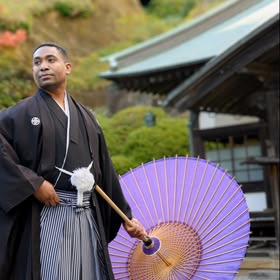
Umbrella etiquette. When you step into a shop, convenience store, or train station with a wet umbrella, look for the little umbrella stand or the thin plastic sleeve dispenser near the entrance, use it rather than dripping your way through the store or carrying it in open. On crowded sidewalks, keep your umbrella tilted to avoid poking or dripping on people around you, it’s a genuinely common source of minor accidental collisions if you’re not paying attention. And don’t be surprised to see umbrellas out on a completely sunny day, plenty of people here use them as sun shade in summer, not just for rain. Summers in Japan get genuinely brutal, hot and humid in a way that catches a lot of visitors off guard, and a simple umbrella for shade is a legitimately smart, common way to handle it rather than something unusual.
Seventh: If You’re Driving
If you’re driving, a few real differences to know before you get behind the wheel. Japan drives on the left side of the road, opposite of the US, which takes real adjustment even after you think you’ve gotten used to it. There’s also no equivalent to a right turn on red here, a red light means a full stop, no exceptions.
If you’re affiliated with US forces and registering a vehicle, you’ll need Japanese Compulsory Insurance, commonly called JCI, a mandatory minimum insurance required to register or inspect any vehicle here, on top of separate property damage liability coverage, since JCI itself doesn’t cover property damage. It’s required by Japanese law, not optional, and it’s checked at registration and inspection.
Eighth: A Few Words That Actually Help
You don’t need to be fluent to get by, but a handful of basics smooths out daily life more than you’d expect.
Ohayou gozaimasu (oh-hah-yoh goh-zai-mahs), good morning. Konnichiwa (kohn-nee-chee-wah), hello or good afternoon. Konbanwa (kohn-bahn-wah), good evening. Arigatou gozaimasu (ah-ree-gah-toh goh-zai-mahs), thank you, and it gets used constantly, more than its English equivalent would back home.
One that trips people up: at a convenience store or shop, staff will often ask if you need a bag, something like “fukuro wa go-riyou desu ka” (foo-koo-roh wah go-ree-yoh dess kah). If you want one, “hai, onegaishimasu” (hi, oh-neh-guy-shee-mahs), yes please, works. If you don’t, “daijoubu desu” (dai-joh-boo dess), I’m okay, no thanks, is the polite way to decline.
Ninth: A Few More Things That Trip People Up
A handful of things that come up constantly in what people actually search before moving here, and that I hadn’t covered above.
Trash separation is genuinely strict, and it varies by city. Japan doesn’t have one universal recycling system, your specific ward or city determines the categories (burnable, non-burnable, plastics, cans, bottles, and so on) and which days each type gets collected. Get your local guide on move-in day, most cities publish one in English, and actually follow it. The Tokyo Metropolitan Government’s own English waste guide is a solid starting reference if you’re anywhere in the Tokyo area, though your specific ward may have its own additional details. This is one of the most commonly cited surprises for anyone new here, and neighbors do notice if you get it wrong repeatedly.
Money and cards usually aren’t handed directly to the cashier. Most registers have a small tray sitting right by the till, put your cash or card there instead of handing it directly to the person, and they’ll do the same when giving you change or a receipt. It’s a small, easy-to-miss habit that locals do automatically.
If you take any regular medication, check its legal status here before you pack it. Japan restricts or bans some common prescriptions and over-the-counter medications that are perfectly normal back home, including certain stimulant-based ADHD medications and some cold medicines containing pseudoephedrine. Bringing something restricted, even with a valid prescription, can mean real legal trouble at customs. There were genuinely a few surprising names on that restricted list when I looked into it myself, things you’d never expect to be an issue, so it’s worth actually reading through rather than assuming you already know what’s on it. The U.S. Embassy in Japan’s official page on importing medication is the right place to check before you travel, not a forum or Facebook group, since the rules are specific and change without much notice.
If you’re moving here outside of a military assignment, you’ll need to register your address at your local ward office within 14 days of arrival, and you’ll be issued a residence card that functions as your main form of ID for almost everything, opening a bank account, getting a phone plan, even re-entering the country. Keep it on you at all times once you have it, it’s legally required.
Japanese Word to Know: sumimasen (すみません) Pronounced soo-mee-mah-sen. It’s one of the most useful words in the entire language, doing double or triple duty as “excuse me,” “sorry,” and sometimes even “thank you” depending on context. Learn this one word early and you’ll find yourself using it constantly, in the best way.
Frequently Asked Questions
Do I need cash in Japan or can I use cards everywhere?
You’ll need cash. Many smaller restaurants, older shops, and some izakayas are still cash-only, and relying entirely on cards will leave you stuck in a real number of places.
Can Google Maps tell me which train car to board in Japan?
Yes, for many major JR and Tokyo Metro routes, Google Maps recommends a specific car number that lines up with your transfer point or exit at your destination station, a genuinely unique feature of Japan’s transit data integration.
Which side do you stand on for escalators in Japan?
In Tokyo and the Kanto region, stand left and leave the right side open for walking. In Osaka and the Kansai region, it’s reversed, stand right, walk left.
What is JCI and do I need it to drive in Japan?
Japanese Compulsory Insurance, a legally required minimum insurance for registering and inspecting any vehicle in Japan. It doesn’t cover property damage, so separate property damage liability coverage is also required.
Is it rude to slurp noodles in Japan?
No, the opposite actually. Slurping ramen and other noodles is normal and even seen as a sign you’re enjoying the meal, not something to feel self-conscious about.
Is trash separation really that strict in Japan?
Yes. Rules vary by city and ward, covering categories like burnable, non-burnable, plastics, cans, and bottles, each with specific collection days. Get your local guide as soon as you move in and follow it closely.
Can I bring my regular prescription medication to Japan?
Check first. Some common medications, including certain stimulant-based prescriptions and cold medicines with pseudoephedrine, are restricted or banned, even with a valid prescription. Confirm directly with a Japanese embassy or consulate before traveling.
Get these nine things down and the rest of daily life here starts falling into place a lot faster than you’d expect.
One more thing worth mentioning before I wrap this one up: Japan’s car culture is its own whole world, and I had a Lancer Evo IV while I was stationed here. Between that and seeing real Skylines around regularly, it’s a genuinely different scene than back home. That deserves its own full post rather than a quick mention here, so I’ll get into that properly another time.
Have a question about living in or visiting Japan that I didn’t cover here? Contact me and I’ll get back to you.